
Classroom lesson · Wildlife · 🇳🇪 Niger

The Fennec Fox

The Sahara's big-eared little hunter

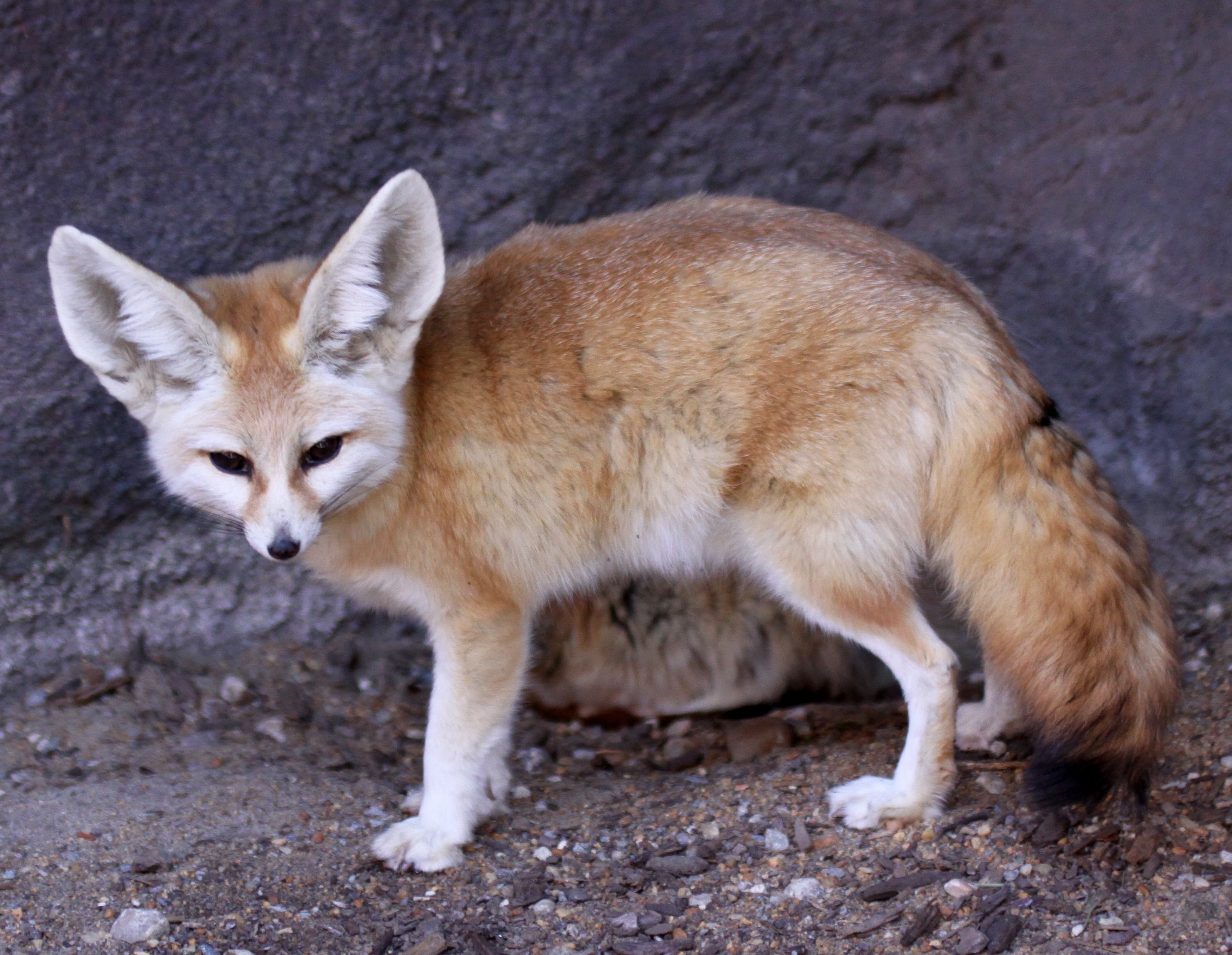
A tiny fennec fox with enormous ears sitting on sand at dusk

Photo · Wikimedia Commons

What is it?

The fennec fox is the world's smallest fox, and it is perfectly built for desert life. Its most striking feature is its enormous ears - far bigger, compared to its body, than any other fox in the world. Those huge ears are not just for hearing; they help the fennec stay cool by releasing body heat, like two little radiators on the sides of its head.

Tell me more

Fennec foxes are nocturnal, which means they come out at night when the Sahara cools down. During the day, they shelter in burrows dug deep into the sand, where the temperature stays comfortable even when the surface is blazing hot. Their thick, sandy-coloured fur keeps them warm at night and also camouflages them perfectly against the desert floor.

A fennec's large ears can detect the movements of insects and small lizards beneath the sand. When it hears something moving underground, it digs rapidly with its front paws to uncover its meal. It can also hear danger approaching from a great distance, giving it time to dart back to its burrow.

Fennec foxes live in family groups and communicate with each other through a wide range of sounds - barks, purrs, squeaks and howls. In the Sahara, they are one of the most widespread small predators and play an important role in keeping insect and rodent populations balanced. They have also become one of the best-loved animals in Niger, appearing in local art and storytelling.

In the classroom

Walk your class through this in 15 minutes.

Talk together

Discussion prompts

  1. 01The fennec fox uses its enormous ears to stay cool. Can you think of other unusual ways animals use body parts for unexpected purposes?
  2. 02Being nocturnal means sleeping during the day and being active at night. What would your life be like if you had to do that?
  3. 03The fennec fox digs deep burrows to escape the heat. How do people in very hot countries design their buildings to stay cool?
Try this

Classroom activity

Hold a 'desert survival design challenge'. In pairs, design an imaginary small animal that lives in the Sahara. Give it at least four special features that help it survive heat, dryness or predators. Draw it, label the features and present your animal to the class.