School life
Di dalam kelas Nicaragua
Local school customs vary. The best way to learn about a class's day is to ask them directly.

North America · Ringkasan negara
Ringkasan misi ramah anak untuk Kamis, 19 November - ibu kota, iklim, hari sekolah, bahasa, fakta menarik, hewan asli, dan lima pertanyaan untuk ditanyakan ke kelas di belahan dunia lain.
Iklim pada November: Dry season in many regions; warm.
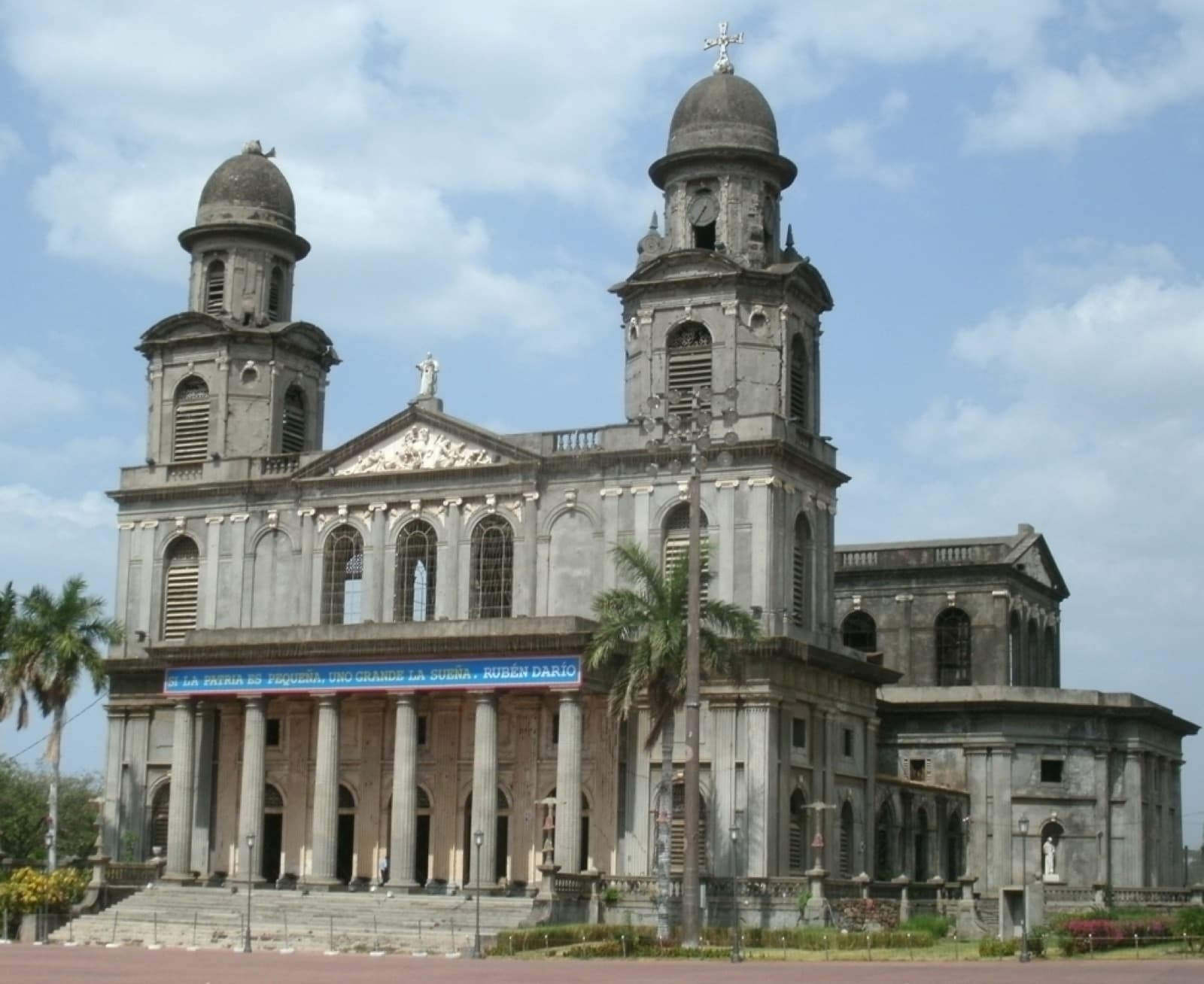
Ibu kotanya
Managua
Foto · Wikimedia Commons
Fakta menarik
Ometepe Island
A twin-volcano island sitting in the middle of a freshwater lake
Buka pelajaran
Masaya Volcano
One of the few volcanoes in the world with a glowing lava lake
Buka pelajaran
Granada
One of the oldest cities in the Americas, full of colour
Buka pelajaran
Corn Islands
Two tiny Caribbean islands with white sand and coral reefs
Buka pelajaran
San Juan River
A wild jungle river connecting the lake to the Caribbean Sea
Buka pelajaran
Nacatamal
A special steamed parcel of corn dough, meat, and vegetables
Buka pelajaran
Ketuk kartu mana pun untuk membuka mini-pelajaran siap-kelas - untuk dipandu guru, atau dibacakan keras oleh anak yang lebih besar.
Hewan asli
Lake Nicaragua
The biggest lake in Central America - with freshwater sharks!
Buka pelajaran
Jaguar
The Americas' biggest cat, a stealthy rainforest hunter
Buka pelajaran
Scarlet Macaw
A brilliant red parrot that flies through the rainforest in pairs
Buka pelajaran
Green Sea Turtle
Thousands of turtles come ashore at once in a massive beach event
Buka pelajaran
Howler Monkey
The loudest land animal in the Americas - hear it from 5 km away!
Buka pelajaran
Ketuk hewan mana pun untuk membuka pelajaran siap-kelas tentangnya.
School life
Local school customs vary. The best way to learn about a class's day is to ask them directly.
Sapaan untuk dipelajari
Lima pertanyaan untuk ditanyakan
Apa yang jangan diasumsikan
Budaya
Makanan
Musik
Sport
Festival
Ketuk kartu mana pun untuk membuka pelajaran siap-kelas - apa itu, mengapa penting, fakta menarik.
Pilih Nicaragua saat Anda mendaftar - kami akan menunjukkan kelayakan zona waktunya.
Kami ingin menggunakan cookie Google Analytics untuk melihat bagaimana situs ini digunakan dan membuatnya lebih baik. Tanpa iklan, dan tidak pernah data siswa. Cara kami menggunakan cookie.