
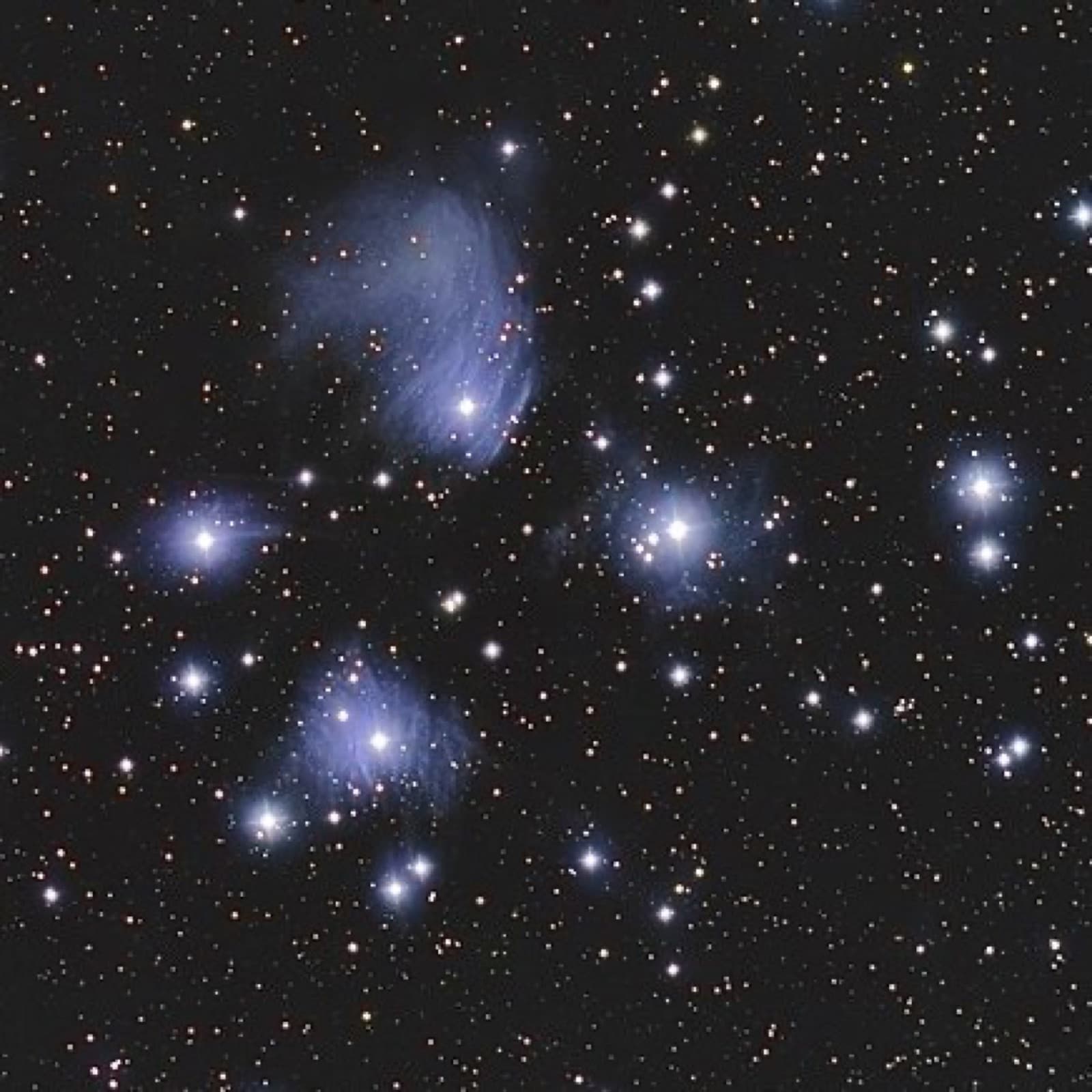
If you look at Matariki with just your eyes, you can usually see six or seven sparkling stars huddled close together. With a telescope you can see many more - the whole cluster has hundreds of young stars all born around the same time. To Māori, the cluster is a whānau (family).
Each of the brightest stars has a name and a meaning. Matariki herself is the mother. Other stars include Waitī (linked to fresh water), Waitā (linked to the sea), Tupuānuku (linked to food grown in the ground) and Tupuārangi (linked to food in the trees). Together they look after different parts of the natural world.
Traditionally, Matariki has been a time to look back, look forward, and look after each other. Families gather, share kai (food), sing songs and welcome the year ahead. In 2022, Matariki became New Zealand's newest official public holiday - a national day of celebration that follows the stars.
Schools across New Zealand mark Matariki in their own ways: kapa haka performances, planting trees, sharing food, telling stories, looking at the night sky together. It is one of the few holidays in the world that is decided by what you can see in the heavens, not what's printed on a calendar.