
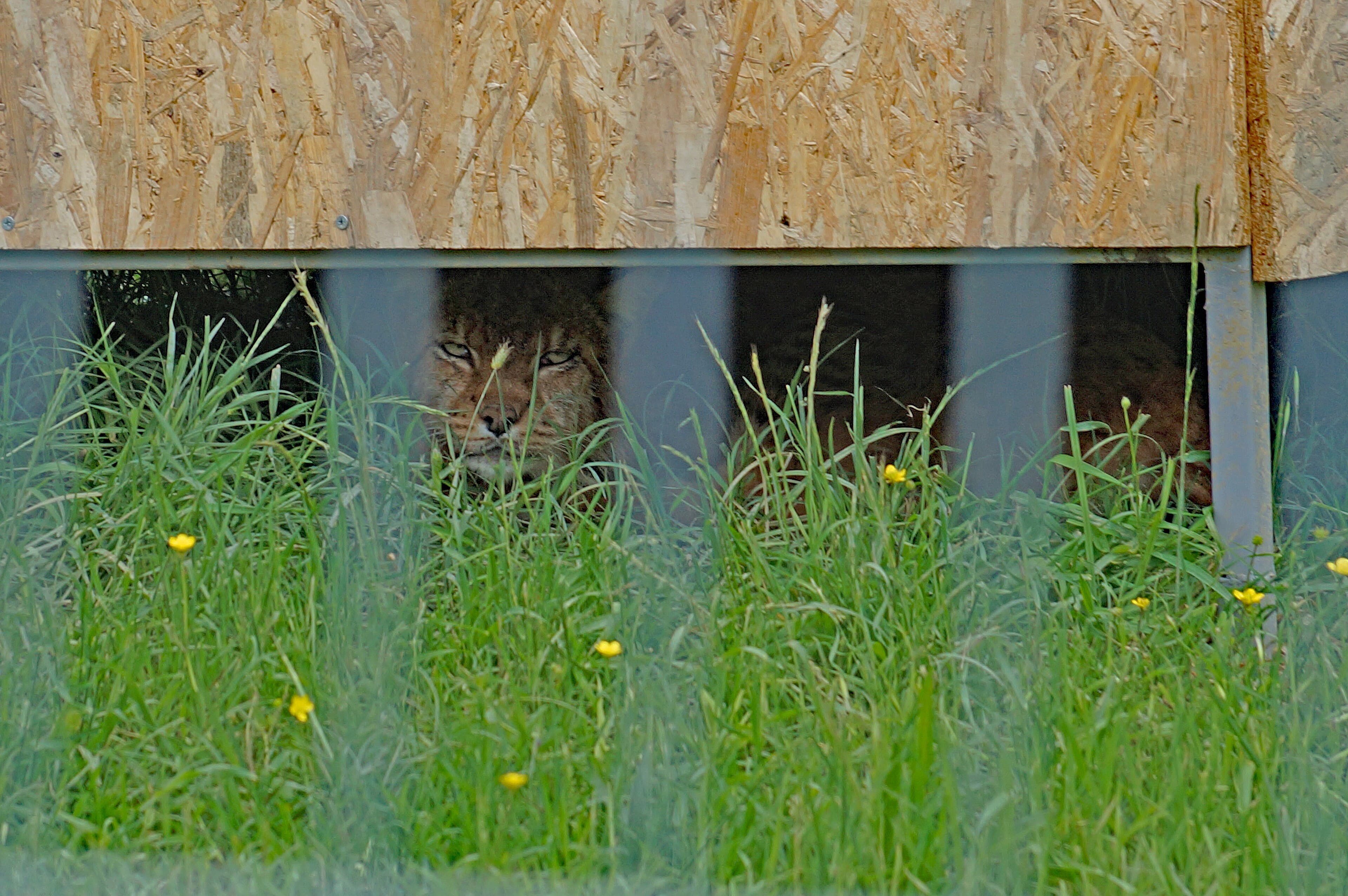
The lynx is roughly twice the size of a domestic cat but built like a athlete - long legs, a short tail, and enormous padded feet that spread wide on snow. Its fur is a warm tawny-grey covered in dark spots, which helps it disappear into the dappled light of a pine forest. The tufts of black hair on the tips of its ears may help it hear sounds better, like little satellite dishes.
Lynx are ambush hunters - they move very quietly through the forest and then make a sudden short sprint to catch prey like roe deer and hares. They are most active at dawn and dusk. Lynx kittens are born in spring, and the mother teaches them to hunt through the summer before they head off to find their own territories in autumn.
Scientists use camera traps, footprint tracking and even fur caught on branches to study Balkan lynx without disturbing them. Every individual lynx can be identified by its unique spot pattern - just like a human fingerprint. Conservation teams across the western Balkans are working to help the lynx recover by protecting forests and making sure enough prey animals live there too.