
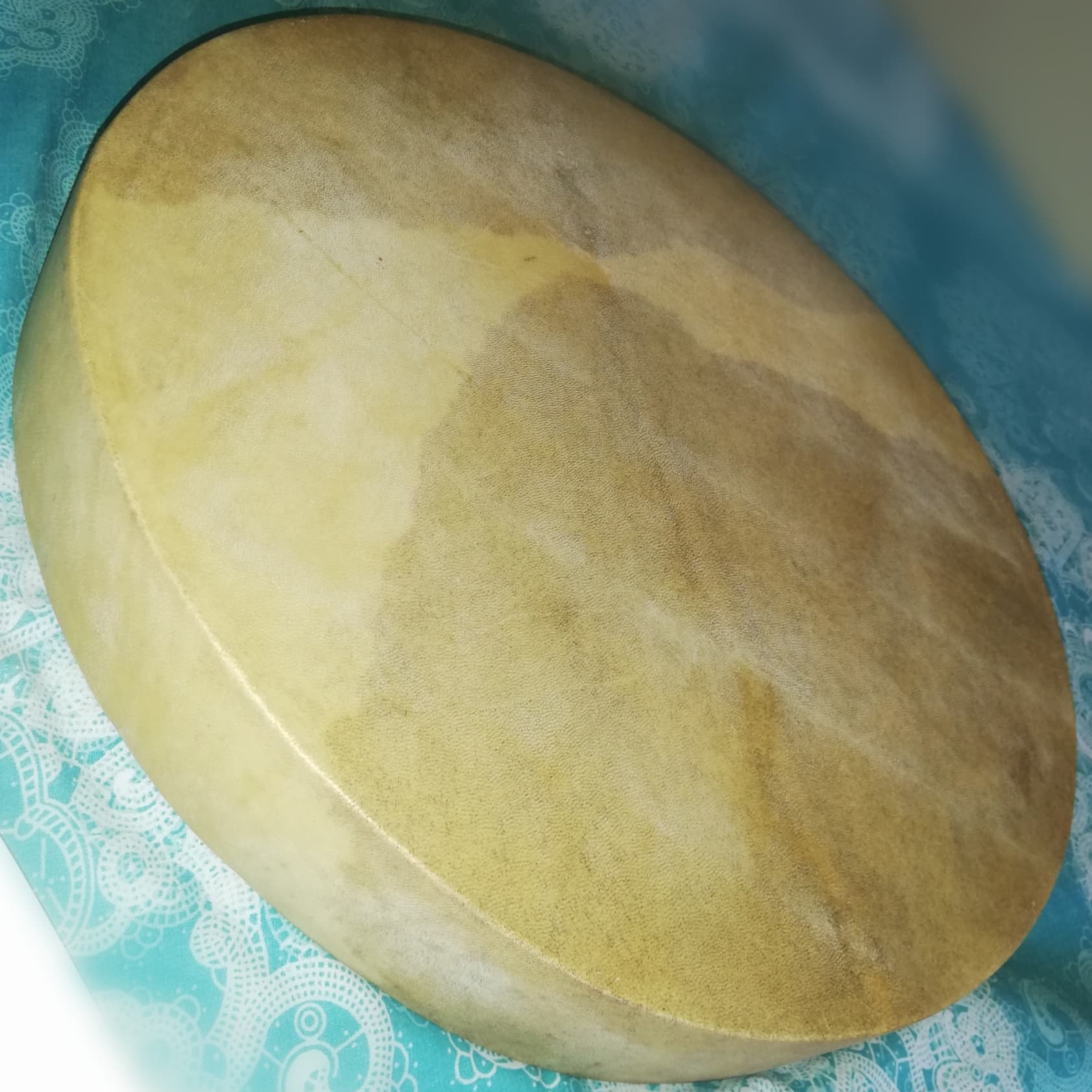
The ravane is the heart of séga music. It is held upright and beaten with the hands, and it produces a deep, warm sound. Before playing, the player warms the goatskin near a fire or under a lamp to tighten it and improve the tone. Other instruments join in: the maravanne (a shaker), the triangle and sometimes a guitar or accordion.
Séga dancing has a very distinctive style. Dancers bend their knees, sway from side to side, and move their feet in tiny, shuffling steps - the style is sometimes described as 'dancing close to the earth'. It is very different from dancing upright, and it takes practice to get right. On the beach at night, with a bonfire and a ravane, séga feels magical.
Séga is not just entertainment - it is a living part of Mauritian identity. It is taught in schools, performed at cultural festivals, and played at celebrations and family gatherings. Learning séga is one of the ways Mauritian children connect with their culture.