
Classroom lesson 路 Wildlife馃嚥馃嚭 Mauritius

Mauritius kestrel - the world's rarest bird, rescued

Once down to just 4 birds in the wild, now hundreds strong

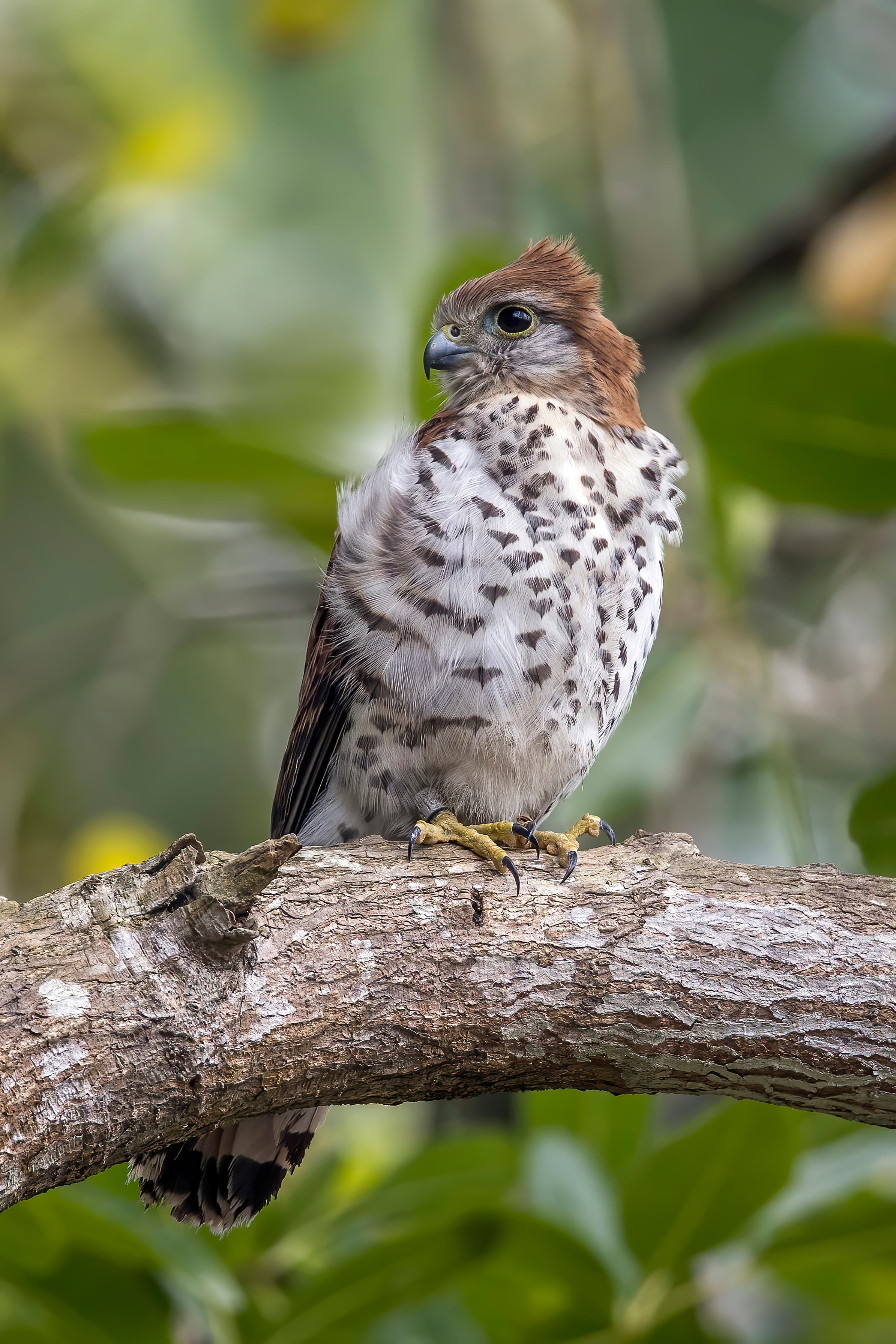
A Mauritius kestrel perched on a branch, showing its spotted brown and cream feathers

Photo 路 Wikimedia Commons

What is it?

The Mauritius kestrel is a small falcon - a type of hunting bird - found only in Mauritius. In 1974, only four were left in the wild. Today there are several hundreds, making it one of the most remarkable wildlife rescues ever achieved.

Tell me more

Kestrels are expert hunters. They hover in the air, beating their wings fast to stay perfectly still, watching the ground below for lizards and large insects. When they spot something, they drop like a stone and catch it with their talons. The Mauritius kestrel does the same, hunting in the forests and forest edges of the island.

The kestrel nearly disappeared for two reasons: its forest home shrank, and a chemical called DDT (used to kill insects in the 1960s and 70s) made the birds' eggshells too thin to survive. When scientists understood the problem, they took some eggs into special care, hatched them safely, and then slowly released the young birds back into the wild.

The recovery took decades of patient work. Conservationists in Mauritius worked with scientists from other countries. They also worked with local communities to help people understand and value the kestrel. Today, the Mauritius kestrel is a symbol of what determined conservation can achieve.

In the classroom

Walk your class through this in 15 minutes.

Talk together

Discussion prompts

  1. 01The kestrel was nearly lost because of a chemical made by people. What responsibility do we have when our actions harm animals?
  2. 02Scientists noticed something was wrong with the eggshells and figured out the cause. What skills did they need?
  3. 03Four birds to hundreds - does that feel like a big change or a small one? How do you think the scientists felt as numbers grew?
Try this

Classroom activity

Hover like a kestrel! Stand in one place and try to keep your balance perfectly still for 30 seconds while looking at the floor. Now imagine doing that in a strong wind. Then draw a 'rescue timeline' for the Mauritius kestrel: 1974 (4 birds), first recovery steps, today.