
Classroom lesson · The Sahara Desert · 🇲🇱 Mali

The Sahara Desert

The world's largest hot desert stretches across northern Mali

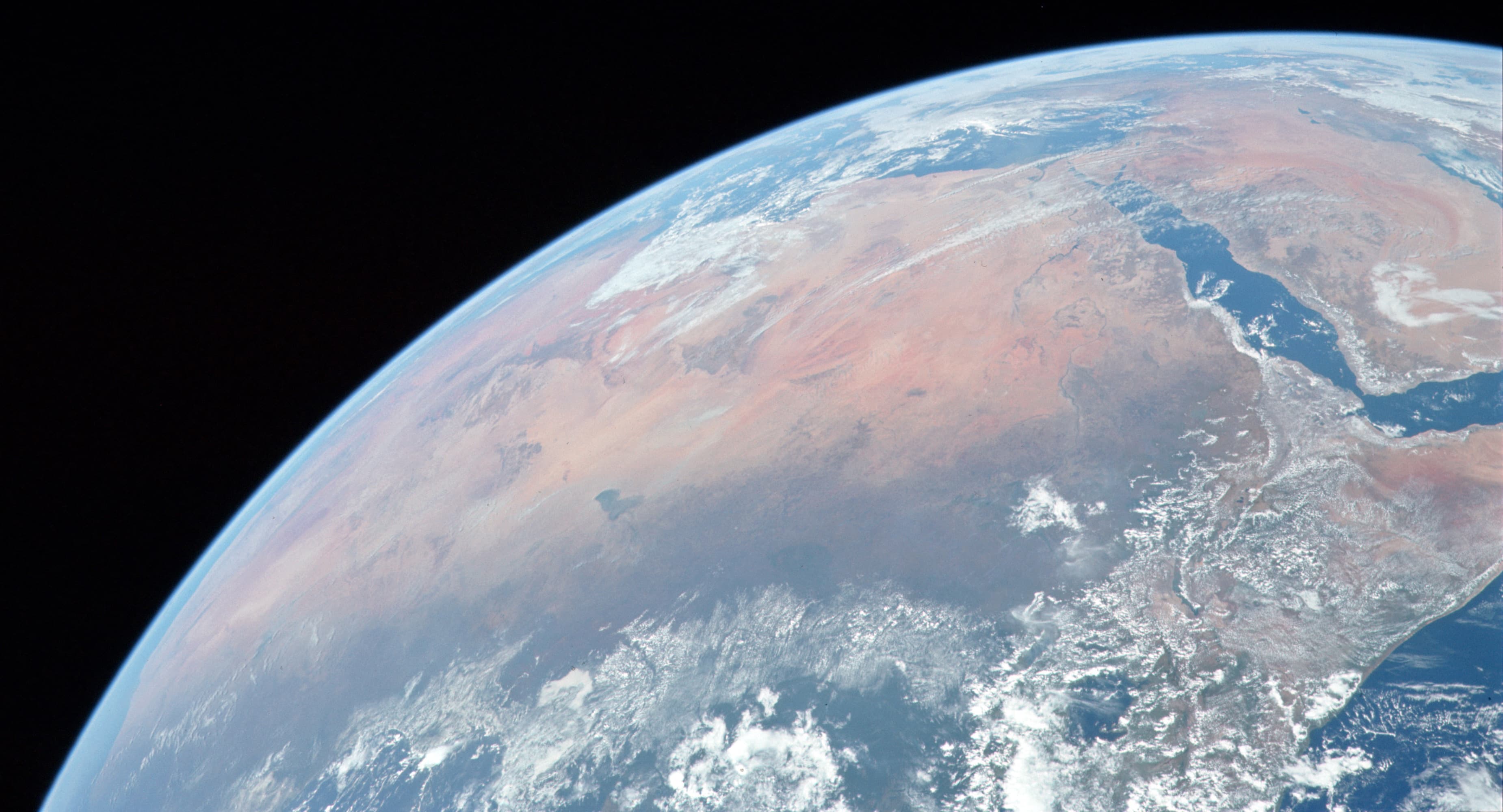
Enormous orange sand dunes rippling under a deep blue Saharan sky in Mali

Photo · Wikimedia Commons

What is it?

The Sahara is the largest hot desert on Earth, covering almost as much land as the whole of China. Northern Mali is part of the Sahara, a landscape of towering sand dunes, flat rocky plains, ancient dry riverbeds and starry nights that seem to go on for ever. It is incredibly beautiful - and incredibly tough to live in.

Tell me more

The Sahara gets very little rain - sometimes less than 25 millimetres a year, less than a shower in most countries. During the day, temperatures can reach over 50°C, but at night the same sand can be surprisingly cold because there are no clouds to keep the heat in. Desert animals and plants have clever tricks for surviving these extremes.

Underneath the great dunes, the Sahara is not just sand - it is also ancient rock with fossils of sea creatures from when the whole region was covered by a shallow ocean millions of years ago. There are also hidden underground lakes of water called aquifers, drilled into by desert communities for drinking water.

Camel caravans have crossed the Sahara for thousands of years, carrying salt, cloth and gold between cities. Camels can go without water for up to two weeks and store energy in their humps (it is fat, not water, inside the hump). Today, lorries carry most goods, but camel caravans still travel some of the old salt routes in Mali.

In the classroom

Walk your class through this in 15 minutes.

Talk together

Discussion prompts

  1. 01The Sahara is both extremely hot and extremely cold - just at different times. How do animals survive those big temperature swings?
  2. 02If you had to cross the Sahara, what three things would you take and why?
  3. 03The Sahara was once an ocean. How does it feel to know that the land under your feet could have looked completely different millions of years ago?
Try this

Classroom activity

Run a 'desert survival' experiment. Fill two identical small cups with sand. Place one in a sunny window and one in the shade. Check the temperature of each every hour using a thermometer. Record the difference. Then discuss: why would shade be so important if you were crossing the Sahara?