
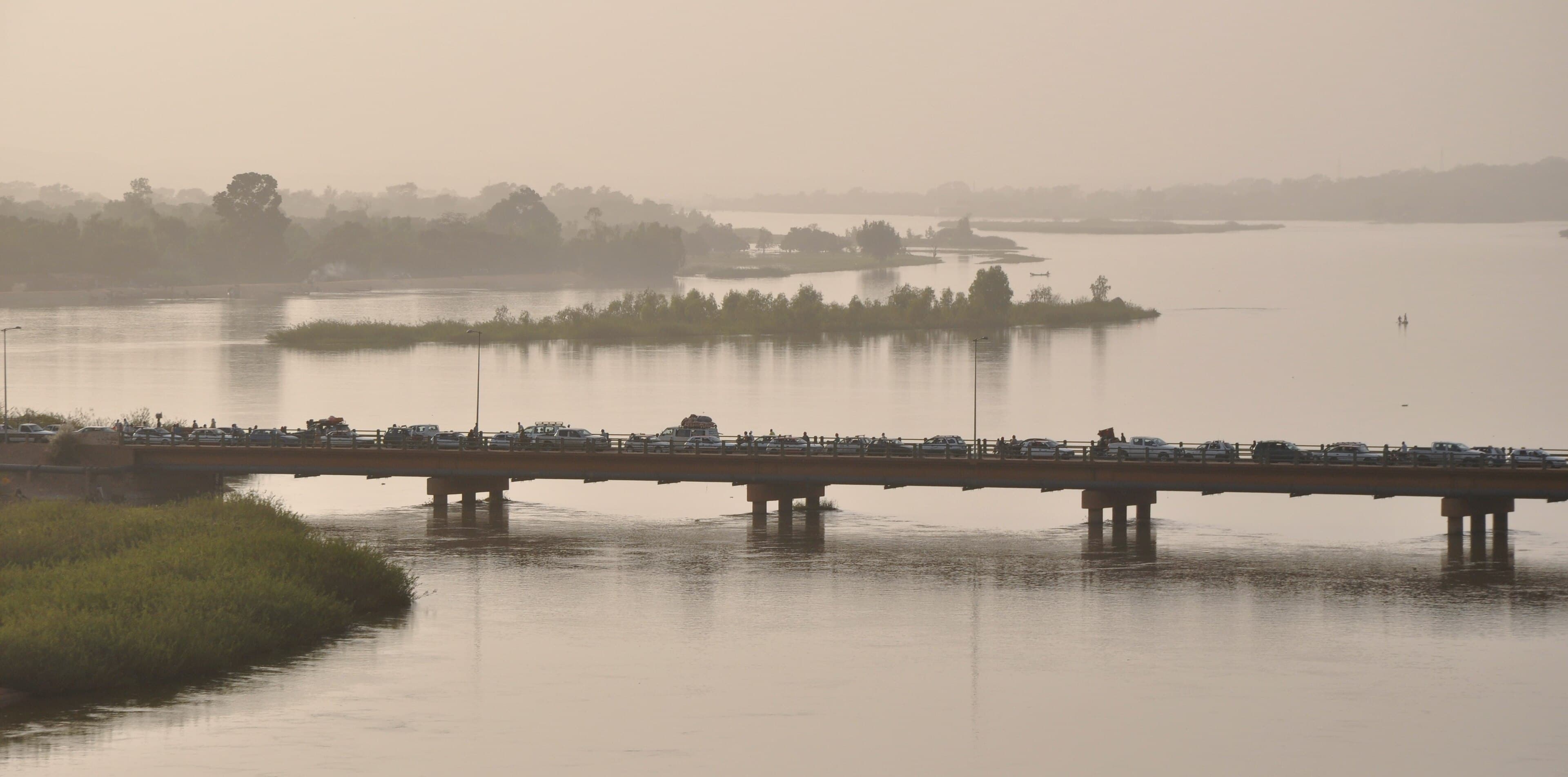
As the Niger enters central Mali, something magical happens: instead of staying in one channel, the river splits into hundreds of streams, lakes and pools, covering an area the size of Belgium when it floods. This inland delta fills up during the rainy season and slowly empties as the dry season comes - and the whole rhythm of life in Mali follows along.
Fishermen set out before dawn in long, narrow wooden boats called pirogues to check their nets. Women gather at the riverbanks to wash clothes and collect water. Farmers wait for the river to flood their fields and leave behind rich, dark soil - perfect for growing rice, millet and sorghum. The river is like a living timetable for millions of people.
The Niger River is also an important highway. Before there were proper roads, boats carried people, food, cloth and salt up and down the river for thousands of kilometres. Even today, large wooden passenger boats travel between cities, loaded with traders, schoolchildren and families visiting relatives in riverside villages.