
Classroom lesson 路 Batik - patterns drawn in hot wax馃嚥馃嚲 Malaysia

Batik - patterns drawn in hot wax

Bright fabrics made by drawing with melted wax before dyeing

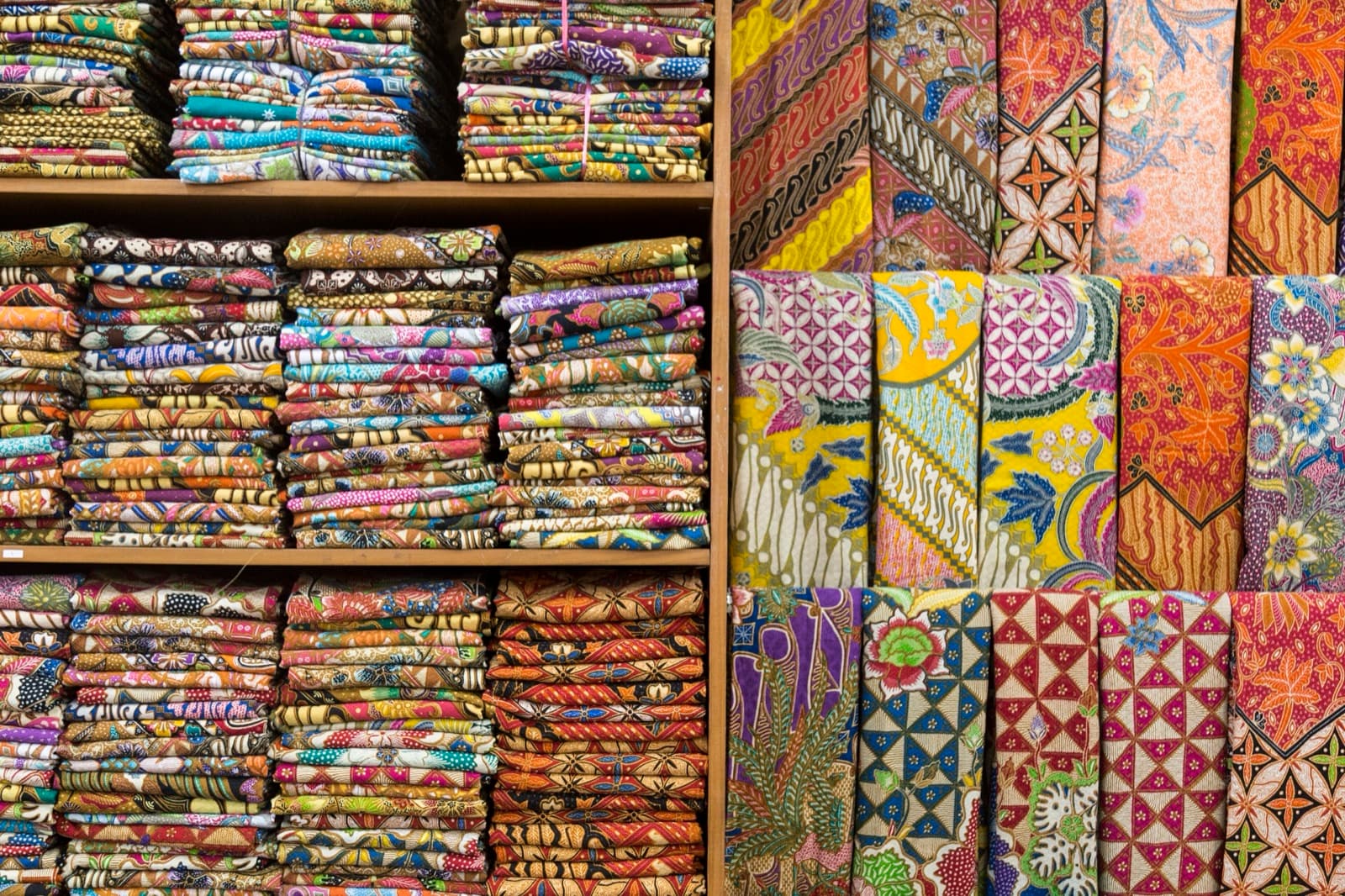
A piece of bright Malaysian batik fabric with flower and leaf patterns in red, blue and yellow

Photo 路 Wikimedia Commons

What is it?

Batik is a way of decorating fabric that is hundreds of years old. The artist draws a pattern on a piece of plain cotton using hot melted wax. Then the cloth is dyed in colour. Where the wax sat, the dye can't soak in - so the pattern shows up. When the wax is melted off at the end, the design is left behind.

Tell me more

Malaysian batik is famous for flowers, leaves, butterflies, peacocks and swirly patterns inspired by nature. The colours are bright and joyful - hot reds, sky blues, tropical greens and sunny yellows. Each artist has their own style, a bit like handwriting.

The wax is drawn on with a special tool called a canting - a tiny copper cup with a long thin spout on a wooden handle. The artist scoops up hot wax and draws fine lines with the spout, the way you might use a fountain pen. It takes a steady hand and a lot of practice.

Sometimes, instead of drawing line by line, artists use a copper stamp called a cap. The stamp is dipped in hot wax and pressed onto the cloth, like a giant biscuit cutter. Cap batik can make repeating patterns very quickly. Most fancy batik uses both - the cap for the background pattern and the canting for the detailed bits.

Batik shirts and dresses are a big part of life in Malaysia. People wear batik to weddings, big festivals and important meetings. Many schools have a 'batik day' once a week or once a month when everyone comes in wearing colourful batik. UNESCO has named batik a treasure of humanity that should be protected forever.

In the classroom

Walk your class through this in 15 minutes.

Talk together

Discussion prompts

  1. 01Why does the wax stop the dye soaking in? What does that tell us about wax and water?
  2. 02If you had to design a piece of batik for your class, what plants or animals from where you live would you include?
  3. 03Many Malaysian schools have a 'batik day'. What would a 'pattern day' look like in your school?
Try this

Classroom activity

Make 'pretend batik' using oil pastels and watercolour paint. First, draw a bold pattern on plain white paper with white or pale crayon or pastel (this is the 'wax'). Then paint a thin layer of watercolour over the whole sheet. The pattern reappears like magic. Compare patterns - everyone's is different.