
Classroom lesson 路 Food馃嚠馃嚛 Indonesia

Rendang - the slow-cooked treasure

Once voted 'the world's most delicious dish'

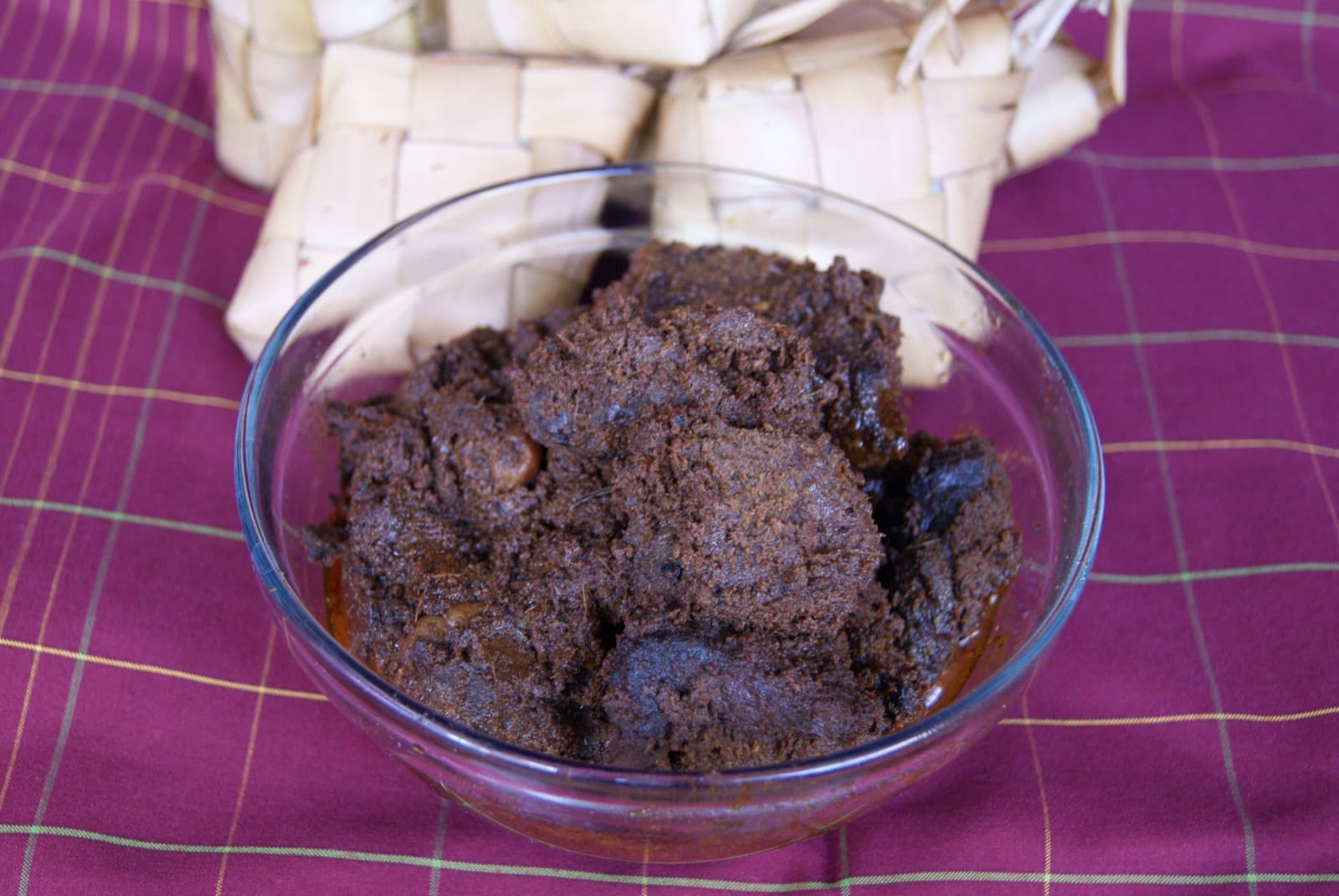
A bowl of dark-brown rendang beef next to woven rice parcels

Photo 路 Wikimedia Commons

What is it?

Rendang is a slow-cooked beef dish from the island of Sumatra in western Indonesia. The beef is cooked very, very slowly in coconut milk and a special mixture of spices until the sauce turns dark and rich. It is so loved around the world that it was voted 'world's most delicious food' in a famous global poll.

Tell me more

Rendang comes from the Minangkabau people of West Sumatra. Cooking it is a slow art. Beef is simmered for hours, sometimes more than four, in a wide pan of coconut milk, garlic, ginger, lemongrass, turmeric, chilli and other spices. As the cook stirs and stirs, the coconut milk slowly turns from creamy white to deep golden brown.

The slow cooking does something amazing. The spices soak deep into the meat. The water boils off, leaving only the spices and a little bit of rich, sticky sauce. The final dish is so flavoured that a small spoonful goes a long way.

Because the cooking takes so long, rendang used to be a 'special occasion' food - made for weddings, big family gatherings and the long Ramadan celebrations. The slow cooking also meant the meat could be kept for days without a fridge in the hot climate.

In 2011, CNN ran a worldwide poll for the readers' favourite food. Out of hundreds of dishes from every country, rendang came first. Many Indonesian families framed the news headline on the kitchen wall.

In the classroom

Walk your class through this in 15 minutes.

Talk together

Discussion prompts

  1. 01Why might a dish cooked slowly for four hours taste different from one cooked in 20 minutes?
  2. 02What 'special occasion' food does your family make? How long does it take?
  3. 03Why might a long-keeping food have been important before fridges?
Try this

Classroom activity

On a strip of paper, draw a 4-hour timeline of cooking rendang in 6 panels: 0h (raw and creamy), 1h, 2h, 3h, 4h (dark and sticky), and the 'first taste'. Show how the colour changes by hour.