
The Ashanti kingdom began in the late 1600s, when several smaller groups joined together under one leader. The leader was called the Asantehene - the king of all the Ashanti. Each Ashanti town had its own chief, but they all looked to the Asantehene in Kumasi as the head of the whole family.
Kumasi grew into a bustling city of artisans - the people who make things by hand. Goldsmiths shaped gold into bracelets and rings. Weavers made kente cloth on wooden looms. Carvers made wooden stools so beautiful that each one was a kind of artwork. Bead-makers turned old glass into colourful necklaces.
The Ashanti are famous for their proverbs - short, wise sayings that teach a lesson in just a few words. A favourite Ashanti proverb is: 'One head does not go into council.' It means: don't try to decide important things on your own - get other people to help you think. Ashanti elders are still respected today for knowing the right proverb for the right moment.
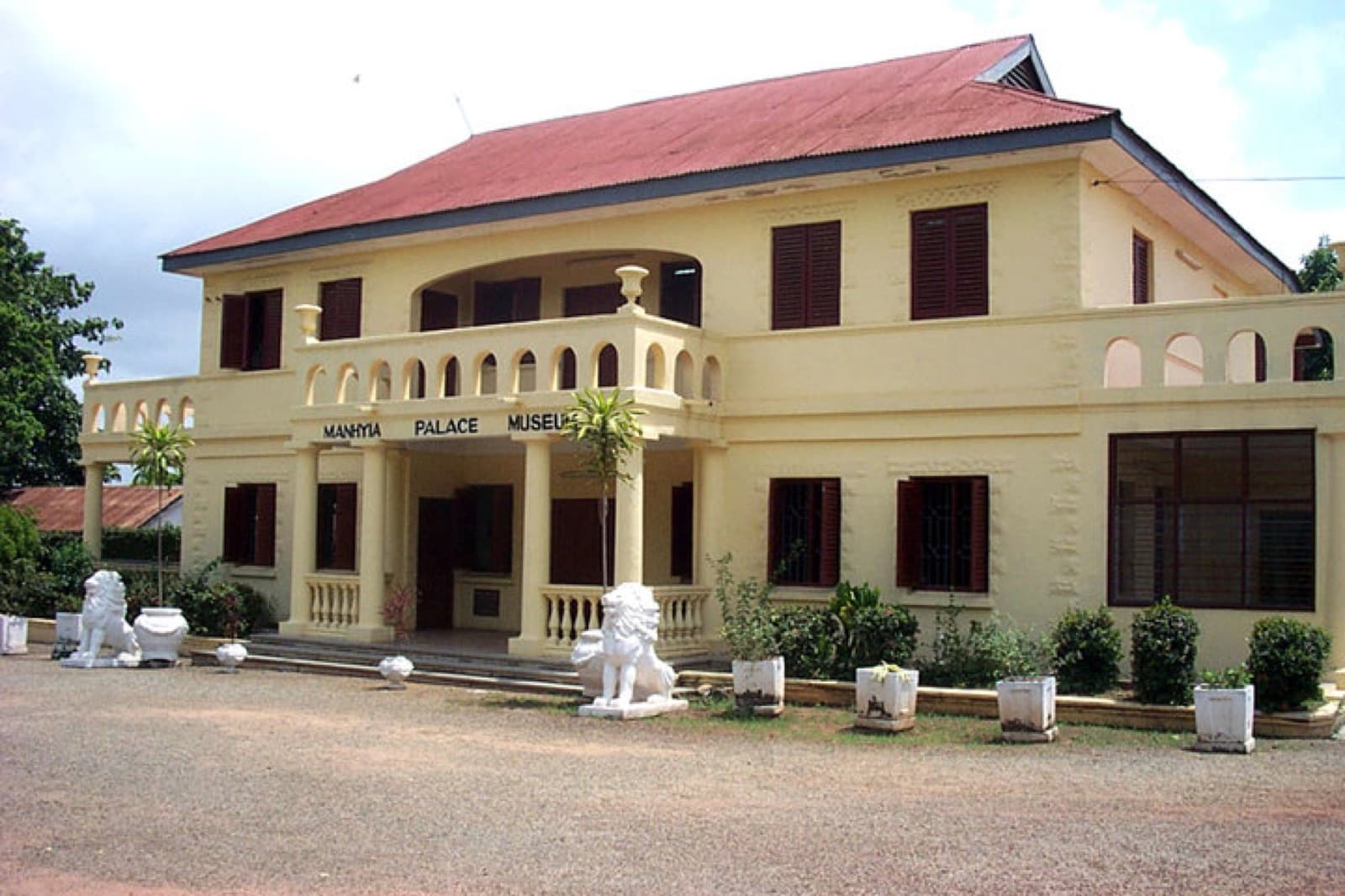
Kumasi today is a busy, modern city of millions of people. But its old traditions live on. The Asantehene's palace, called Manhyia Palace, is still in Kumasi. Kente is still woven in nearby villages. And the great festival of Akwasidae, when the Asantehene appears in royal robes, still happens every six weeks.