School life
En un aula de Equatorial Guinea
Local school customs vary. The best way to learn about a class's day is to ask them directly.

Africa · Resumen de país
Un resumen de misión amigable para niños para el jueves 19 de noviembre - capital, clima, día escolar, idiomas, datos divertidos, animales nativos, y cinco preguntas para hacer a la clase al otro lado del mundo.
Clima en noviembre: Dry season in many regions; warm.
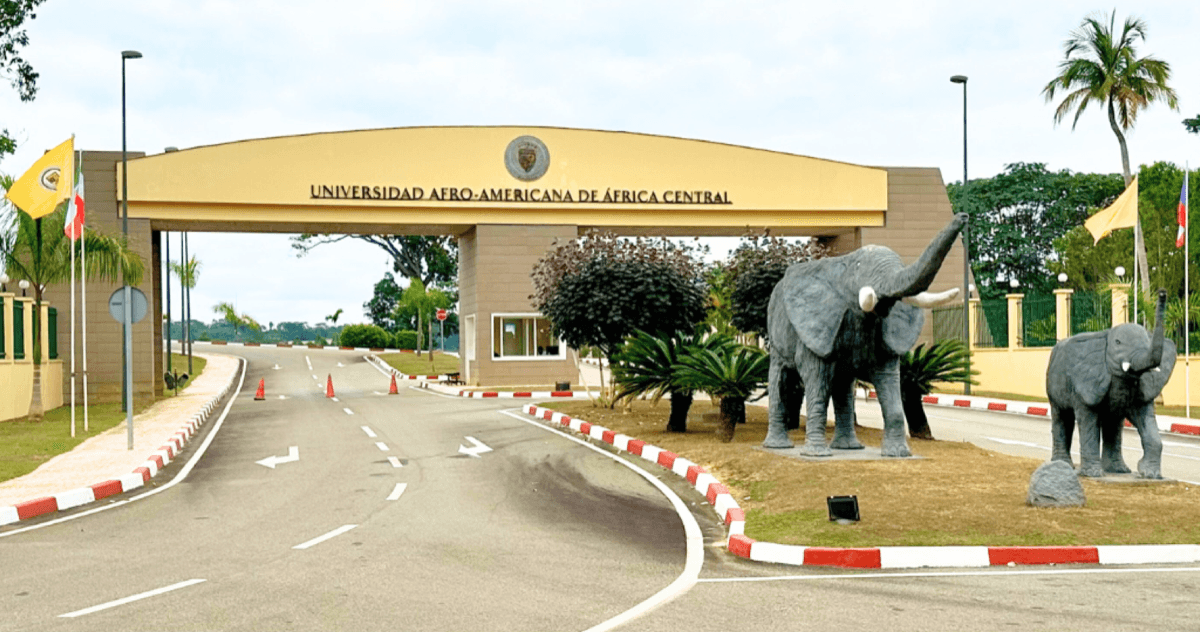
La capital
Ciudad de la Paz
Foto · Wikimedia Commons
Datos divertidos
Bioko Island
A volcanic island jewel in the Gulf of Guinea
Abrir lección
Pico Basile
Equatorial Guinea's highest peak, wrapped in cloud
Abrir lección
Río Muni Rainforest
A vast green mainland full of wildlife and wonder
Abrir lección
Corisco Bay
A sparkling bay of small islands and calm waters
Abrir lección
Annobón Island
Equatorial Guinea's most remote and mysterious island
Abrir lección
Bioko Greater Bushbaby
A big-eyed night creature found only on Bioko Island
Abrir lección
Toca cualquier tarjeta para abrir una mini-lección lista para clase - para que el profesor la explique, o un niño mayor la lea en voz alta.
Animales nativos
Monte Alén National Park
Equatorial Guinea's protected heart of the rainforest
Abrir lección
Drill Monkey
One of Africa's rarest and most colourful primates
Abrir lección
African Forest Elephant
The quiet giant of the Central African rainforest
Abrir lección
Leatherback Turtle
The world's largest turtle nests on Bioko's beaches
Abrir lección
African Grey Parrot
One of the world's most intelligent birds
Abrir lección
Toca cualquier animal para abrir una lección lista para clase sobre él.
School life
Local school customs vary. The best way to learn about a class's day is to ask them directly.
Saludos para aprender
Cinco preguntas para hacer
Qué no asumir
Cultura
Comida
Música
Sport
Festivales
Toca cualquier etiqueta para abrir una lección lista para clase - qué es, por qué importa, datos divertidos.
Elige Equatorial Guinea cuando te registres - te mostraremos la viabilidad de la zona horaria.
Nos gustaría usar cookies de Google Analytics para ver cómo se usa este sitio y mejorarlo. Sin publicidad y nunca datos del alumnado. Cómo usamos las cookies.