
Classroom lesson 路 The Yangtze - Asia's longest river馃嚚馃嚦 China

The Yangtze - Asia's longest river

A 6,300 km river that carves through mountains and feeds half a country

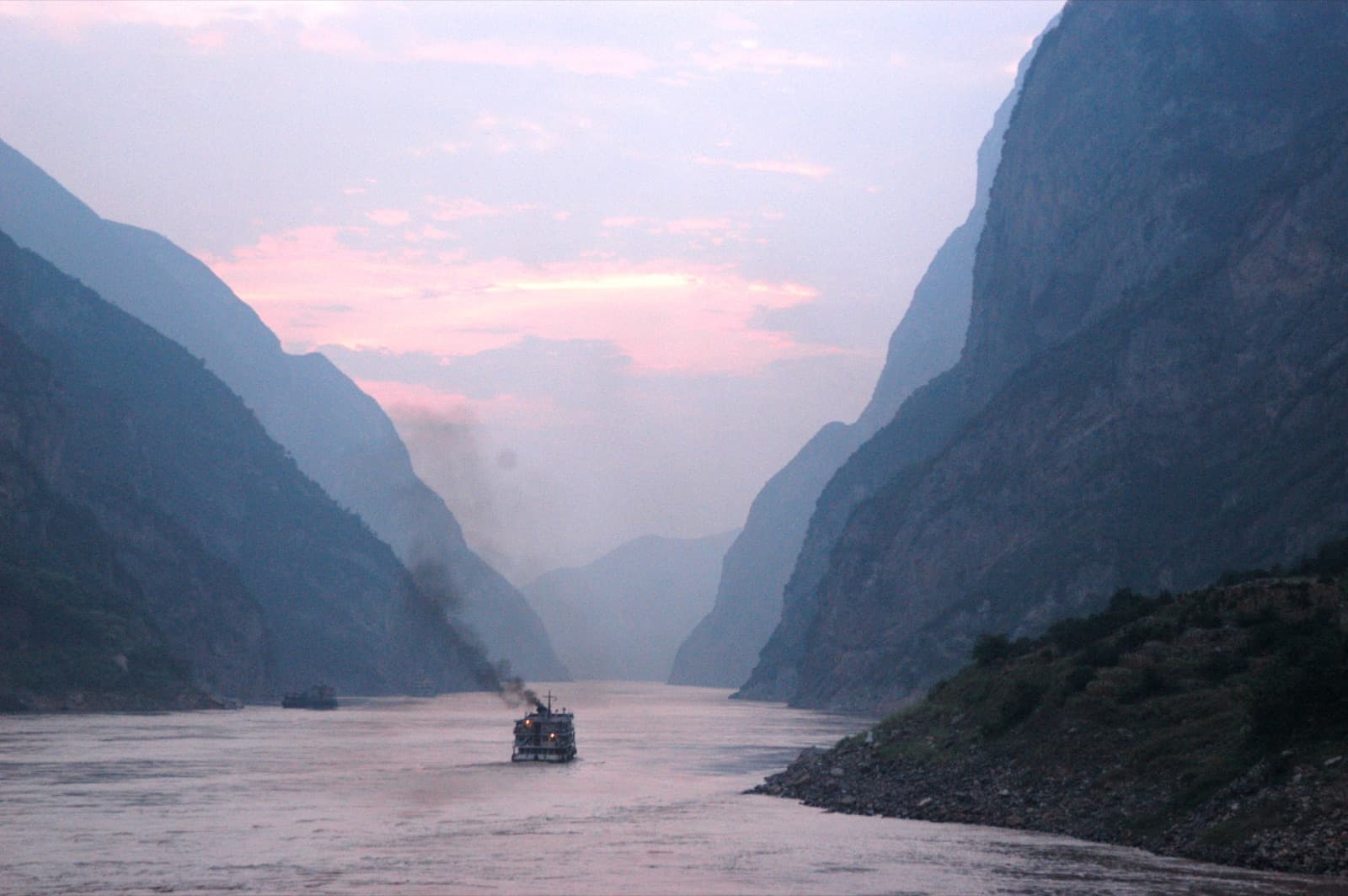
A boat travelling through the Three Gorges of the Yangtze at dusk

Photo 路 Wikimedia Commons

What is it?

The Yangtze is the longest river in Asia and the third longest in the world. It starts high up in the snow-capped mountains of Tibet, flows through the middle of China for over 6,300 kilometres, and finally pours into the East China Sea near Shanghai. About a third of all the people in China live close to it.

Tell me more

The Yangtze passes through some of China's most beautiful landscapes. The most famous part is the Three Gorges - three huge stretches where the river cuts between cliffs that rise up like walls on either side. Boats glide along, dwarfed by the mountains.

The river is home to thousands of plants and animals. The Yangtze finless porpoise is a small, smiley-looking river dolphin that lives only here. There are only a few thousand left, so it is one of China's most protected animals.

Farmers grow rice, wheat and tea along the river's huge basin (the land that drains into it). Rice fields look like mirrors when they are flooded, reflecting the sky. From the air, the Yangtze valley looks like a giant patchwork quilt.

Because the river is so important, people built one of the largest dams in the world across it - the Three Gorges Dam. It is so big that it creates electricity for tens of millions of homes by using the power of the flowing water.

In the classroom

Walk your class through this in 15 minutes.

Talk together

Discussion prompts

  1. 01Why do so many people choose to live near rivers? What does a river give a community?
  2. 02What might it feel like to travel down a river that runs through cliffs taller than skyscrapers?
  3. 03How could a river change the way a country grows food?
Try this

Classroom activity

On a world map, mark the Yangtze. Then mark the Nile, the Amazon, the Mississippi and the Thames. Compare their lengths. Which one is nearest to your school?