
Classroom lesson · Wildlife · 🇧🇧 Barbados

Barbados Green Monkey

Playful primates that have made Barbados their home for centuries

A Barbados green monkey sitting in a tree, looking at the camera with curious golden eyes

Photo · Barbados Tourism Marketing Inc.

What is it?

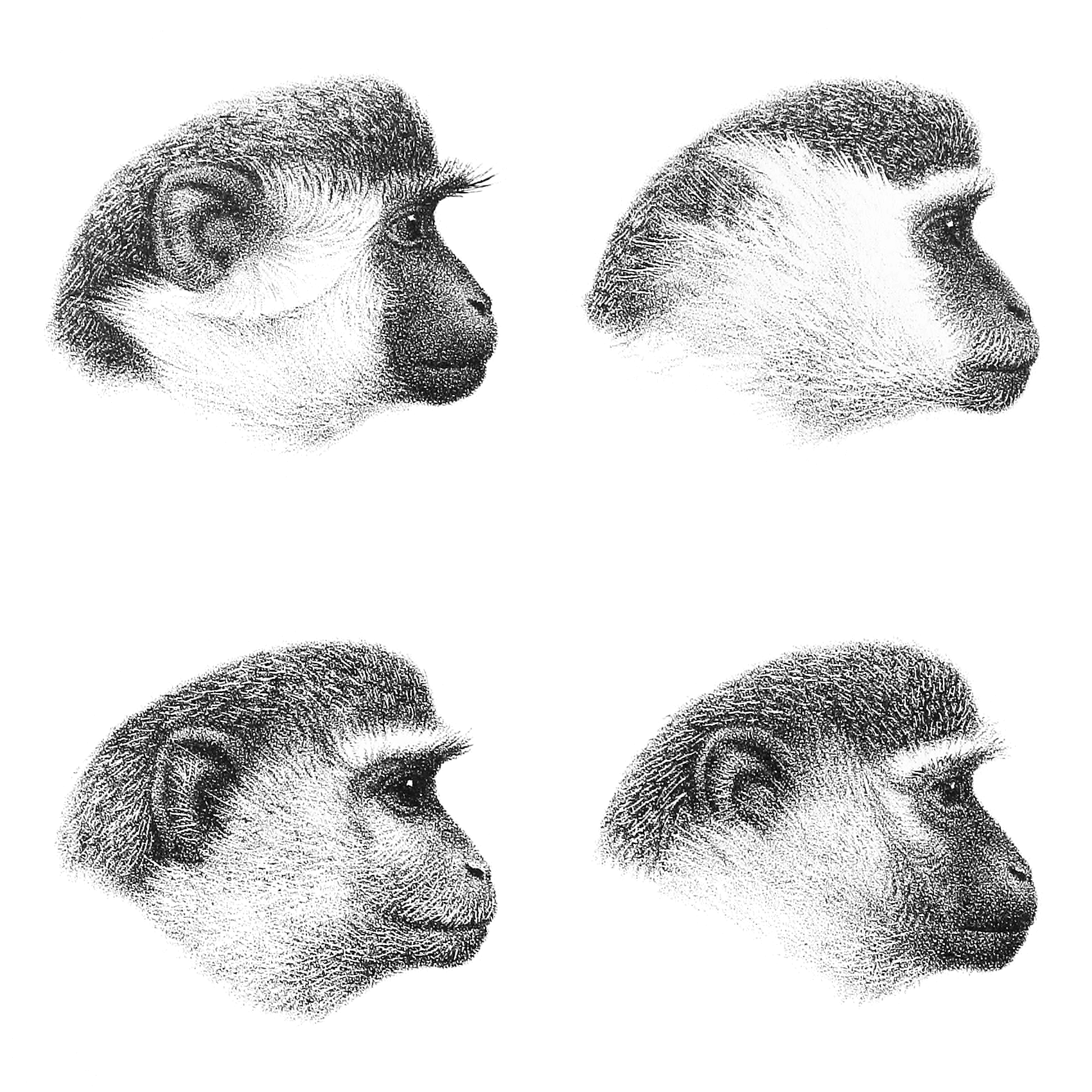
The Barbados green monkey is a small, agile monkey with olive-green fur and a bright golden face. These monkeys arrived in Barbados from West Africa a very long time ago and have been living wild on the island ever since. They are now one of the most recognisable animals in Barbados and a favourite for visitors to spot.

Tell me more

Green monkeys live in troops - family groups that can number anywhere from a few individuals up to several dozen. They communicate with each other using different calls and facial expressions, almost like having their own language. Scientists who study them have identified many distinct calls that mean specific things, such as 'predator above' or 'food found'.

They are very clever animals. Green monkeys have been spotted raiding fruit trees, figuring out how to open containers, and even watching humans closely to learn new tricks. Their favourite foods include fruit, leaves, flowers, seeds, and insects.

Because green monkeys have been on Barbados for so many generations without many natural predators, they have become very comfortable around people. You are most likely to spot them at dawn or dusk, when they come down from the trees to forage. Welchman Hall Gully and the Barbados Wildlife Reserve are two of the best places to see them up close.

In the classroom

Walk your class through this in 15 minutes.

Talk together

Discussion prompts

  1. 01Green monkeys use different calls to communicate different meanings. How do humans communicate without words?
  2. 02If you were a green monkey troop, what rules would your group need to live together happily?
  3. 03Why might scientists study monkey communication? What could we learn from it?
Try this

Classroom activity

Invent a simple 'troop communication system' for your class using only sounds and hand signals (no words). Decide on five signals - for example, 'danger', 'food', 'follow me', 'all clear', and 'come together'. Practise them and see if the whole class can remember what each one means.