
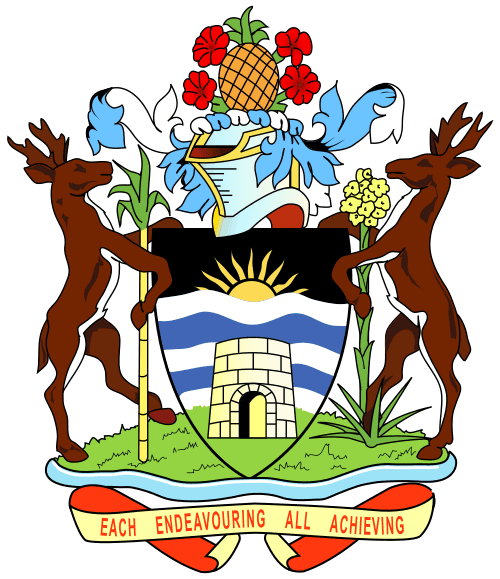
Most pineapples you buy in a supermarket have travelled a long way - from Costa Rica, the Philippines, or Ghana - and are picked before they are fully ripe so they survive the journey. The Antiguan black pineapple is different: it grows slowly in Antigua's volcanic soil and sunny climate, develops a very high natural sugar content, and is only picked when perfectly ripe.
The black pineapple grows mainly in the south-west of Antigua around the village of Cades Bay. Farmers grow them in small plots and sell them at roadside stalls. Because they do not travel well, eating one usually means being right there in Antigua - which makes them feel extra special to visitors.
Pineapple belongs to a plant family called bromeliads. The fruit grows on a sturdy stem in the centre of a spiky-leaved plant. It takes about 18 months for a single pineapple to grow from a tiny plant to a ripe fruit ready to eat - much longer than most fruit.
The black pineapple is a point of great pride for Antigua. It appears on local menus as juice, sliced fresh, or in desserts. Some Antiguans say that once you taste a black pineapple, every other pineapple tastes sour by comparison. It is the ultimate edible souvenir - if you can carry it home without eating it first!