
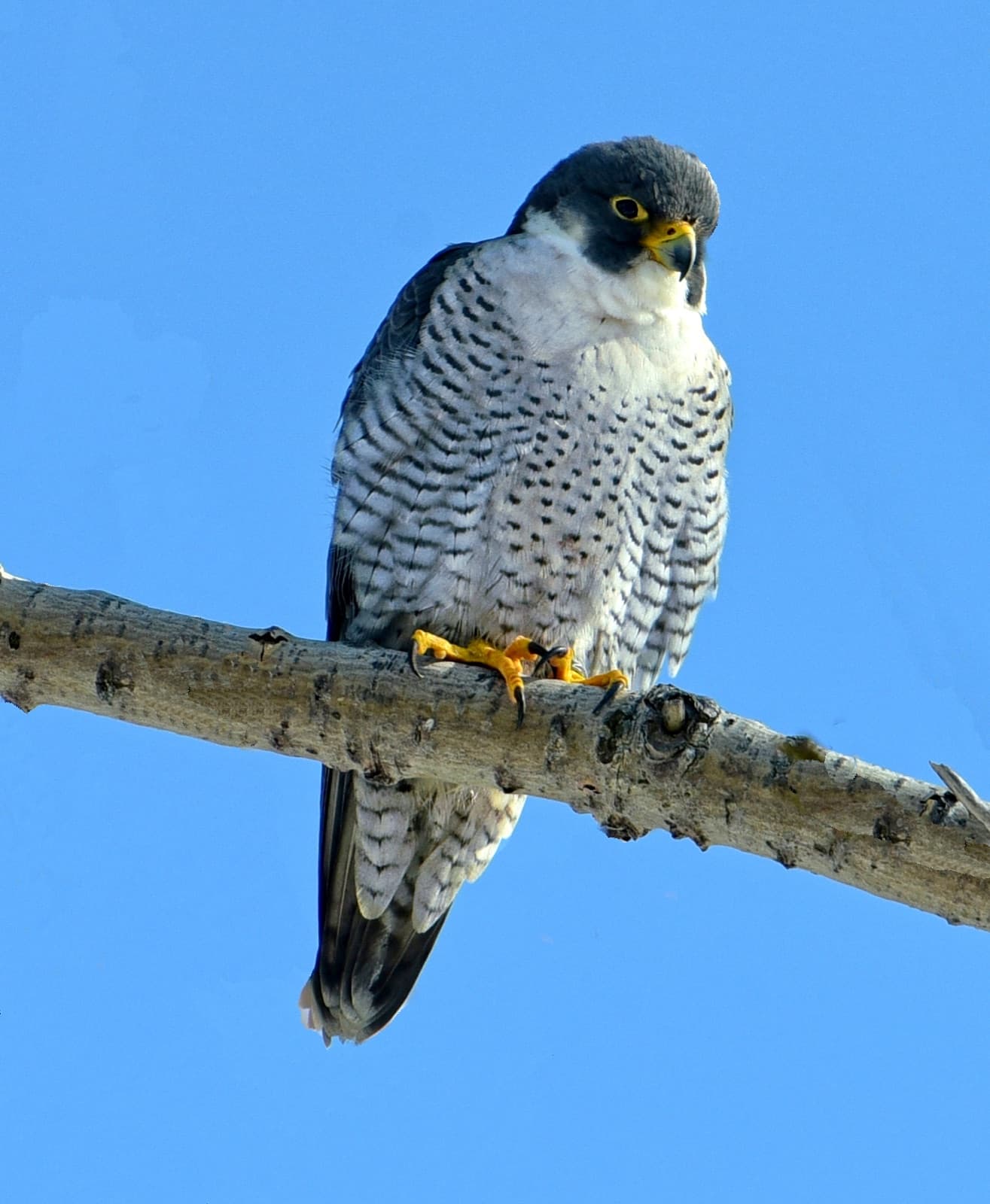
Long ago, when families travelled across the desert with their camels and goats, they used falcons to help them catch food. The falcon would fly high, spot a bird or a hare, dive at amazing speed, and then return to the falconer's gloved hand. In return, the falcon was looked after carefully - fed, kept cool, and treated almost like a member of the family.
Today, hunting with falcons is no longer how anyone gets dinner - but the friendship is still important. Children grow up learning how to hold a falcon on a thick leather glove called a mangalah. They learn to whistle a special call so their bird returns. A good falconer talks gently to their bird every day.
Falcons in the UAE are so respected that they have their own passports. If a family flies somewhere on holiday, the falcon flies with them - sitting on a perch in its own seat on the plane. There are special falcon hospitals where birds can have a check-up, get their feathers cleaned, and even have a tiny pedicure for their claws.
The peregrine falcon, one of the species used, is the fastest animal on Earth. When it folds in its wings and dives, it can reach 320 km/h - faster than a Formula 1 car. The bird can see a small animal from 3 km away.