
Classroom lesson · Wildlife · 🇹🇼 Taiwan

Formosan macaque - the rock-cliff monkey

Taiwan's only native monkey, found from forest to seaside cliffs

A Formosan macaque sitting on a rock with a baby on its back

Photo · Wikimedia Commons

What is it?

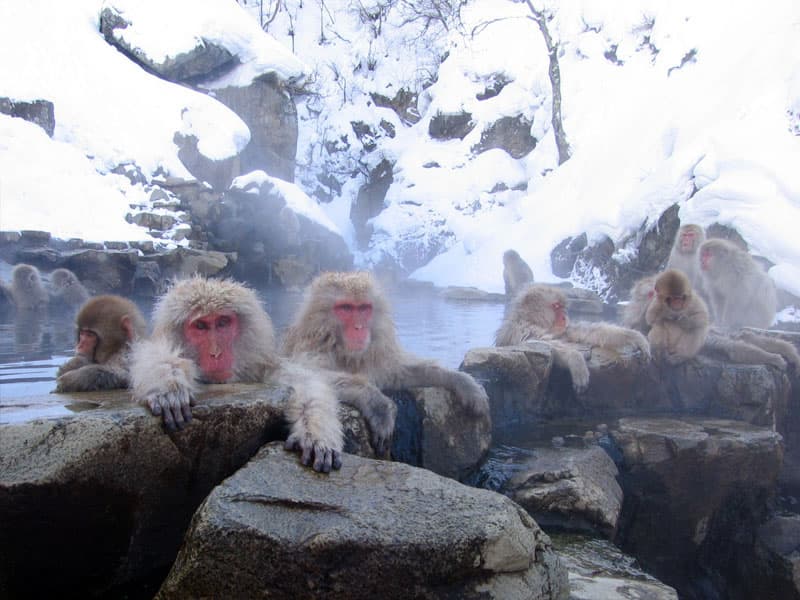
The Formosan macaque is the only monkey that lives wild in Taiwan. It has a thick brown coat that turns greyer in winter, a pink face and a short tail. Troops of them live everywhere from quiet forests up in the mountains to the bare rocky cliffs along Taiwan's south coast.

Tell me more

These monkeys live in family groups of 20 to 40 individuals. The whole troop moves together through the trees, with the babies riding on their mothers' backs like tiny passengers. The older monkeys keep watch from high branches while the younger ones play, chase each other and learn what to eat.

They eat almost everything: leaves, fruit, seeds, mushrooms, insects, even crabs at the seaside. At a place called Shoushan, near the city of Kaohsiung, the macaques have learned to live right next to people. Hikers regularly see whole troops sitting on the path or grooming each other on a sunny rock.

Macaques are amazingly clever. They have been seen using stones to crack open hard nuts, fishing food out of streams with a bent stick, and even pretending to fall over to distract another monkey from a snack. Each troop has its own little tricks that they teach their babies.

Just like people, macaques like to keep clean. They spend hours every day grooming each other - picking through fur to find dirt, leaves and tiny insects. It is also how they make friends. The longer two monkeys groom each other, the better friends they tend to be.

In the classroom

Walk your class through this in 15 minutes.

Talk together

Discussion prompts

  1. 01Why might it help a young monkey to grow up watching the older ones?
  2. 02Macaques use stones as tools. Can you think of an animal where you live that also uses a tool?
  3. 03Grooming helps monkeys make friends. How do we make and keep friends at school?
Try this

Classroom activity

Pair up. One pupil mimes being a young macaque watching the other. Whatever the older monkey does (clap, hop, peel a banana mime) the younger one copies. Then swap. Discuss: how much can you learn just by watching someone carefully?