School life
In a Mozambique classroom
Local school customs vary. The best way to learn about a class's day is to ask them directly.

Africa · Country briefing
A child-friendly mission briefing for Thursday 19 November - capital, climate, school day, languages, fun facts, native animals, and five questions to ask the class on the other side of the world.
Climate in November: End of dry season or start of wet season; warm.
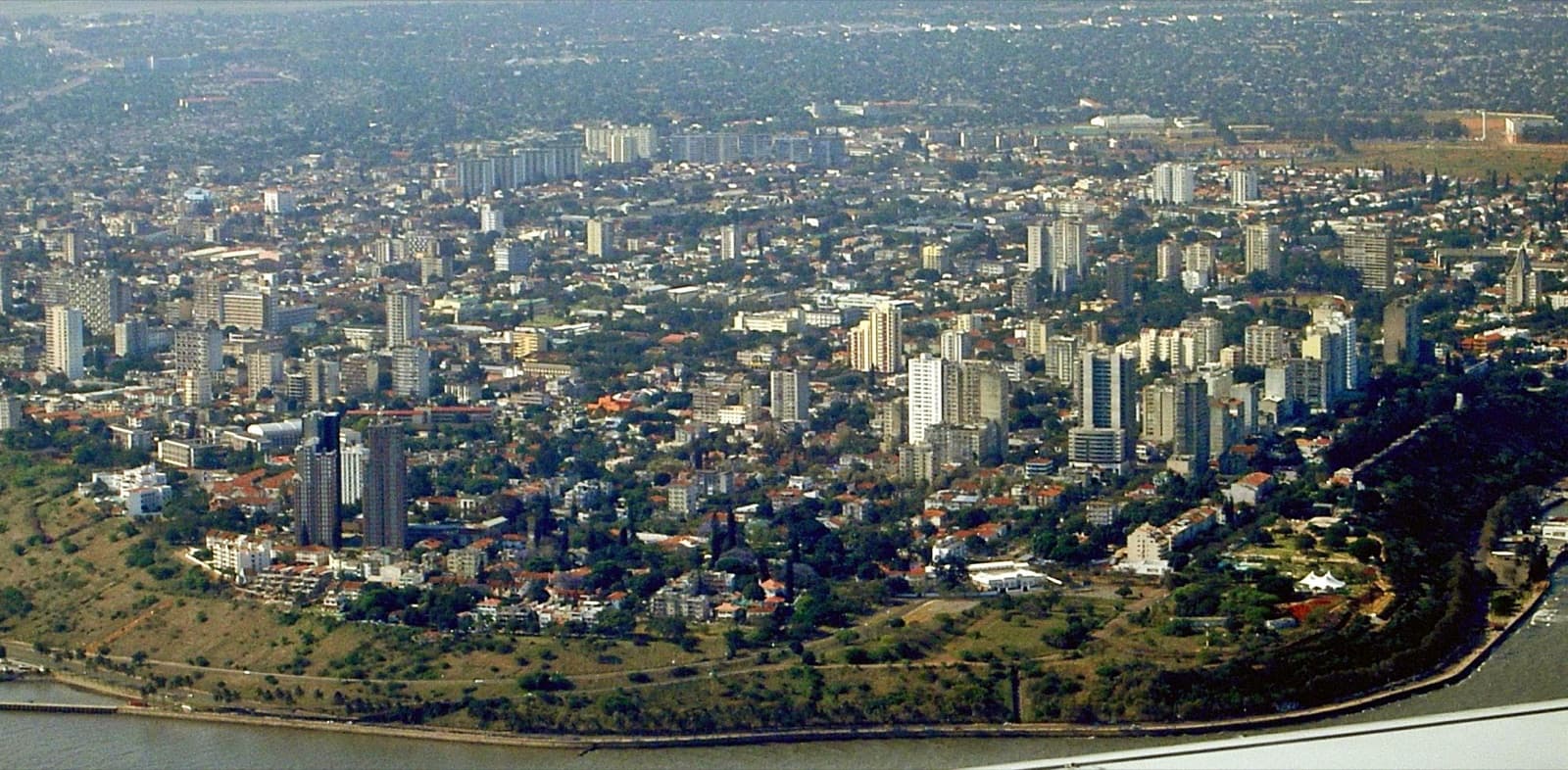
The capital
Maputo
Photo · Wikimedia Commons
Fun facts
Bazaruto Archipelago
A necklace of sandy islands in a turquoise sea
Open lesson
Quirimbas Islands
Ancient coral islands with hidden history and wild reefs
Open lesson
Ilha de Moçambique
A tiny island city with 500 years of history - now UNESCO World Heritage
Open lesson
Mount Binga
Mozambique's highest peak, hidden in a forest-covered mountain range
Open lesson
Indian Ocean Coastline
2,500 kilometres of beaches, reefs, and mangrove forests
Open lesson
Bolo Polana
Mozambique's famous cashew and potato cake
Open lesson
Tap any card to open a class-ready mini-lesson - for the teacher to walk through, or an older child to read aloud.
Native animals
Niassa Reserve
One of Africa's wildest places - bigger than Portugal
Open lesson
Dugong
The gentle 'sea cow' that grazes on underwater grass
Open lesson
Whale Shark
The world's biggest fish - and totally harmless to people
Open lesson
Leatherback Turtle
The world's largest turtle - an ocean traveller that nests on Mozambican beaches
Open lesson
Tap any animal to open a class-ready lesson about it.
School life
Local school customs vary. The best way to learn about a class's day is to ask them directly.
Greetings to learn
Five questions to ask
What not to assume
Culture
Food
Music
Festivals
Tap any chip to open a class-ready lesson - what it is, why it matters, fun facts.
Choose Mozambique when you register - we'll show you the time-zone feasibility.
We'd like to use Google Analytics cookies to see how this site is used and make it better. No advertising, and never any pupil data. How we use cookies.