
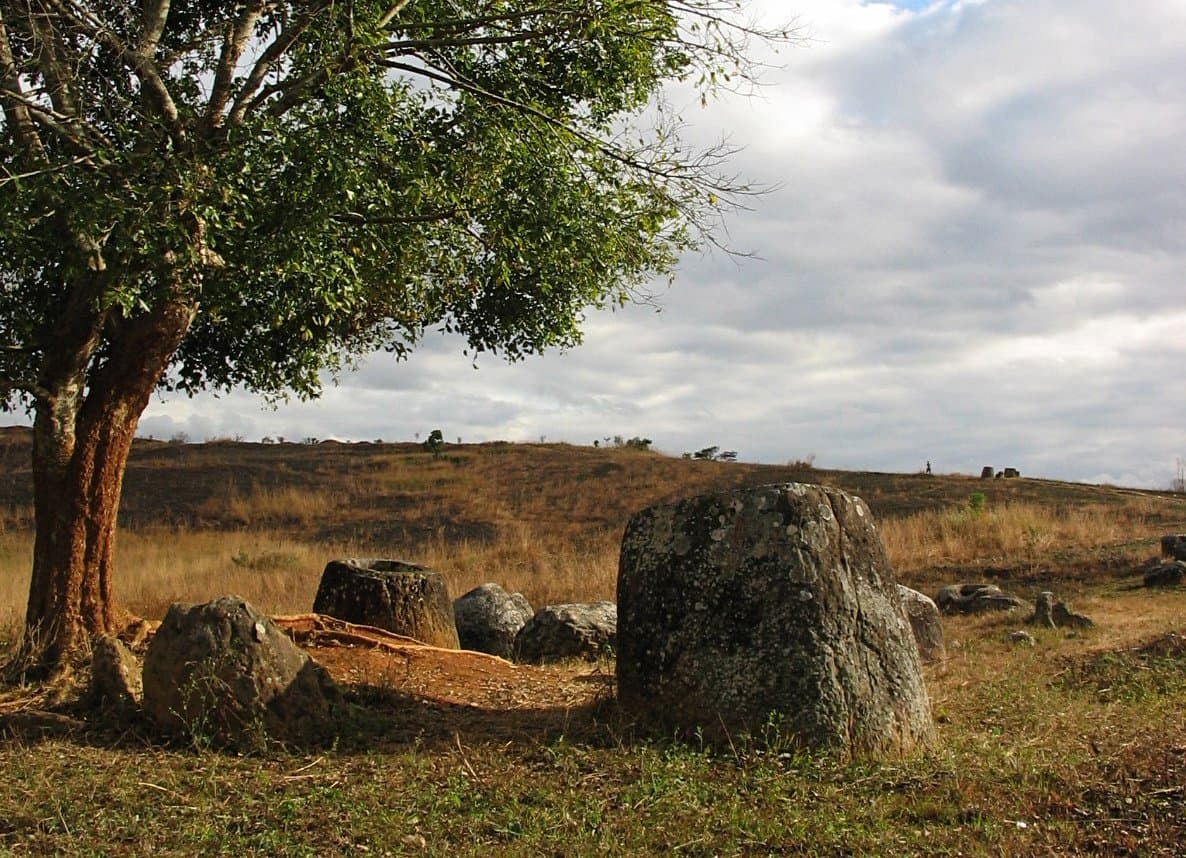
There are more than 2,000 jars spread across dozens of sites on the plateau. The smallest are about the size of a big cooking pot. The largest are taller than a grown adult and weigh many tonnes. They were carved - somehow - from solid rock and dragged or rolled to where they stand now. That was no easy task without modern machines.
What were they for? Experts have different ideas. Some think they were used to brew rice wine or store food long ago. Others think they might have been used to hold something during ancient burial ceremonies. The jars have no lids, and the rock they are made of comes from places several kilometres away. Getting them there was a huge effort - whatever the reason, it mattered a lot.
Local stories have their own explanation. One old tale says a great king once lived on the plateau with a giant army. After winning a big celebration, he ordered the jars to be made and filled with a traditional drink called lao-lao to share with everyone. The party must have been enormous.
UNESCO added the Plain of Jars to its list of World Heritage Sites in 2019, recognising it as one of the most important and mysterious ancient places on Earth. Scientists are still digging carefully, finding more clues every year.