
Classroom lesson 路 Wildlife馃嚠馃嚜 Ireland

The Eurasian otter

Ireland is one of the best places in Europe to spot a wild otter

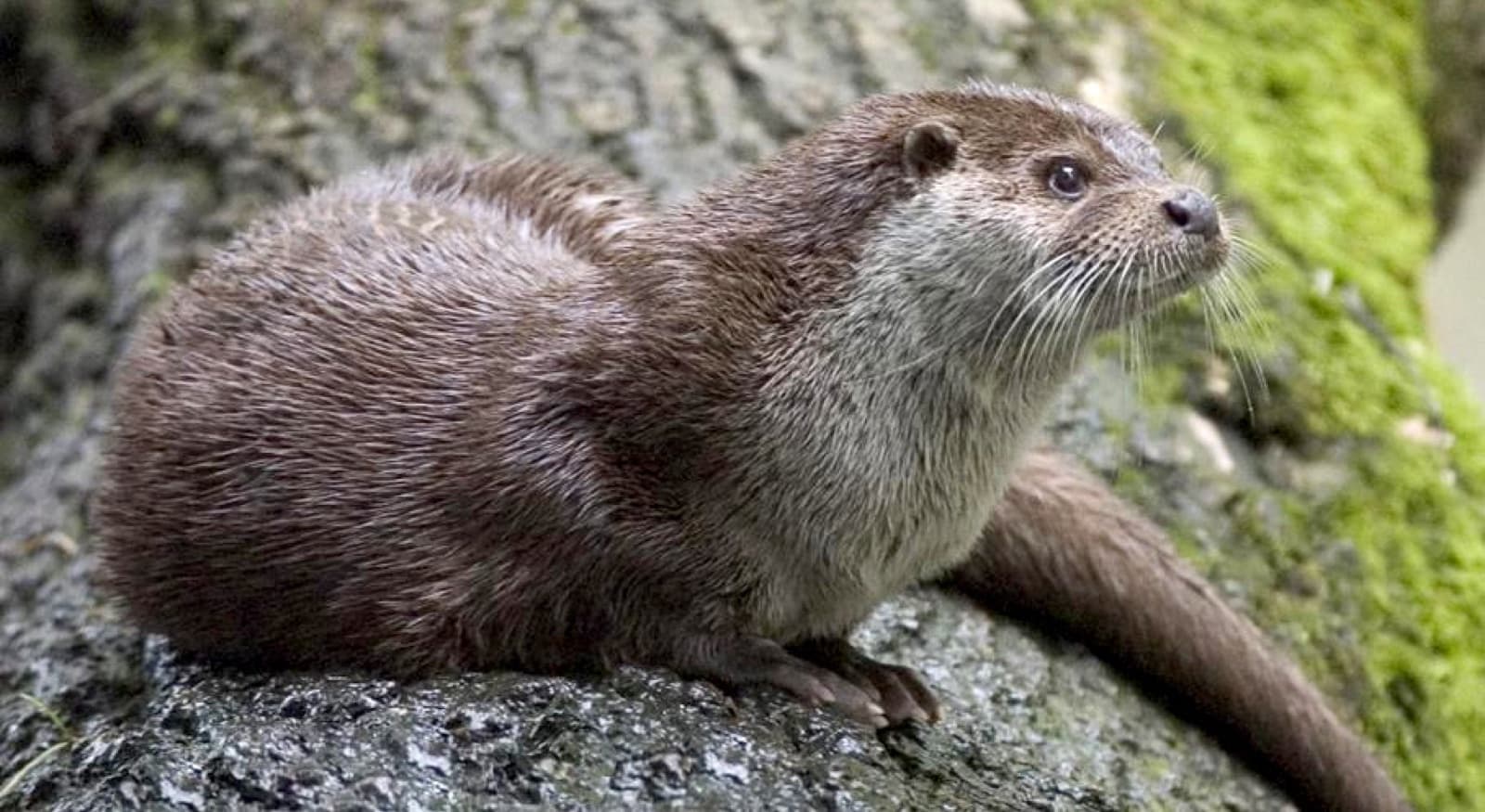
A Eurasian otter swimming in a clear Irish river

Photo 路 Wikimedia Commons

What is it?

Otters are sleek, playful water mammals with long bodies, thick brown fur and webbed feet. Ireland has more wild otters per square kilometre than almost any other country in Europe - they live in rivers, lakes and along the rocky sea coasts.

Tell me more

An otter's body is built for swimming. Its tail is long and powerful, used like a rudder. Its fur is so thick (about a million hairs per square inch) that water can't reach the skin - the otter stays warm even in icy rivers.

Otters mostly eat fish, but they will also eat crabs, eels, frogs and even sea urchins. They are wonderful divers - they can stay underwater for around 30 seconds, and even longer if they are chasing something tasty.

Otter cubs spend their first three months learning from their mum. She has to teach them to swim, which is funny because they aren't naturally good at it at first. She carries them piggyback through the water and shows them how to dive.

If you ever want to see a wild otter, the trick is to be quiet and watch the water at dawn or dusk. They poke their heads up like little periscopes. They are shy - but in Ireland's clean rivers and rocky shorelines, they thrive.

In the classroom

Walk your class through this in 15 minutes.

Talk together

Discussion prompts

  1. 01What does it tell us about Ireland's rivers and seas that otters live so well there?
  2. 02Most baby animals can swim straight away. Why might otter babies need lessons?
  3. 03What is one thing you needed to be taught carefully before you could do it on your own?
Try this

Classroom activity

Make a list of everything an otter has to be good at: swimming, holding its breath, catching slippery fish, keeping warm, looking after babies. For each one, write down what part of the otter's body is designed for that job.