School life
En un aula de Eswatini
Local school customs vary. The best way to learn about a class's day is to ask them directly.

Africa · Resumen de país
Un resumen de misión amigable para niños para el jueves 19 de noviembre - capital, clima, día escolar, idiomas, datos divertidos, animales nativos, y cinco preguntas para hacer a la clase al otro lado del mundo.
Clima en noviembre: Late spring; mild to warm across many regions.
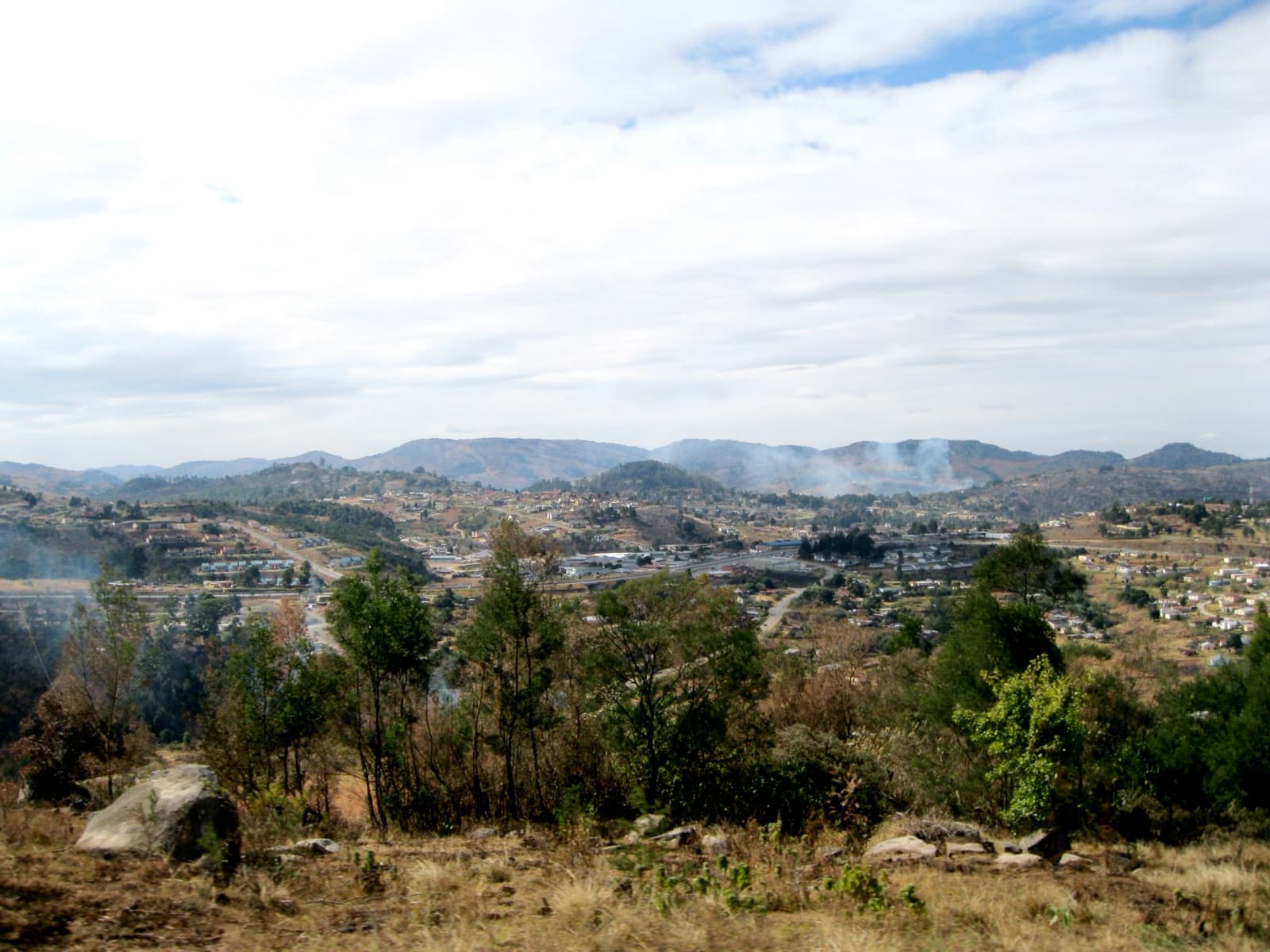
La capital
Mbabane
Foto · Wikimedia Commons
Datos divertidos
Sibebe Rock
The world's second largest exposed rock, right in Eswatini
Abrir lección
Ezulwini Valley
The 'Valley of Heaven' - the green heart of Eswatini
Abrir lección
Mantenga Cultural Village
Step inside a traditional Swazi village and learn how people lived
Abrir lección
Manzini Handicraft Markets
Colourful open-air markets packed with handmade Swazi crafts
Abrir lección
Umhlanga Reed Dance
A colourful annual gathering where girls carry reeds and celebrate together
Abrir lección
Toca cualquier tarjeta para abrir una mini-lección lista para clase - para que el profesor la explique, o un niño mayor la lea en voz alta.
Animales nativos
Mlilwane Wildlife Sanctuary
Eswatini's oldest protected area, where animals roam free
Abrir lección
Hlane Royal National Park
Home to lions, elephants and white rhinos in Eswatini's biggest park
Abrir lección
White Rhino
One of Africa's heaviest land animals, slowly making a comeback
Abrir lección
African Elephant
The world's largest land animal, with the best memory around
Abrir lección
Hippo
Africa's grumpiest river giant - and surprisingly fast on land
Abrir lección
Toca cualquier animal para abrir una lección lista para clase sobre él.
School life
Local school customs vary. The best way to learn about a class's day is to ask them directly.
Saludos para aprender
Cinco preguntas para hacer
Qué no asumir
Cultura
Comida
Música
Festivales
Toca cualquier etiqueta para abrir una lección lista para clase - qué es, por qué importa, datos divertidos.
Elige Eswatini cuando te registres - te mostraremos la viabilidad de la zona horaria.
Nos gustaría usar cookies de Google Analytics para ver cómo se usa este sitio y mejorarlo. Sin publicidad y nunca datos del alumnado. Cómo usamos las cookies.