
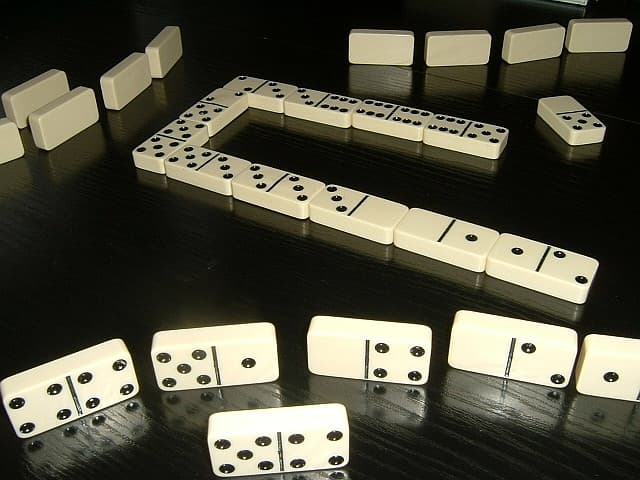
A set of dominoes has 28 small rectangular tiles. Each tile has two ends, and each end has between zero and six dots (called pips). The aim of the most popular Dominican version - called 'partner dominoes' - is to match tiles end to end and be the first team to empty your hand.
The game is almost always played in teams of two, sitting across from each other at the table. Partners signal to each other through the tiles they play, giving hints about what they hold in their hand - all without speaking. Reading your partner's strategy is as important as playing your own tiles well.
In many Dominican communities, dominoes is much more than a game - it is a daily ritual. Neighbours gather under a tree or on a porch, the tiles are slapped down on the table with satisfying clacks, and everyone talks, argues, laughs and enjoys each other's company.
Playing dominoes teaches counting, pattern recognition and strategic thinking. Experienced players can remember which tiles have already been played and work out mathematically which tiles the other team is holding, making it a surprisingly deep game.