
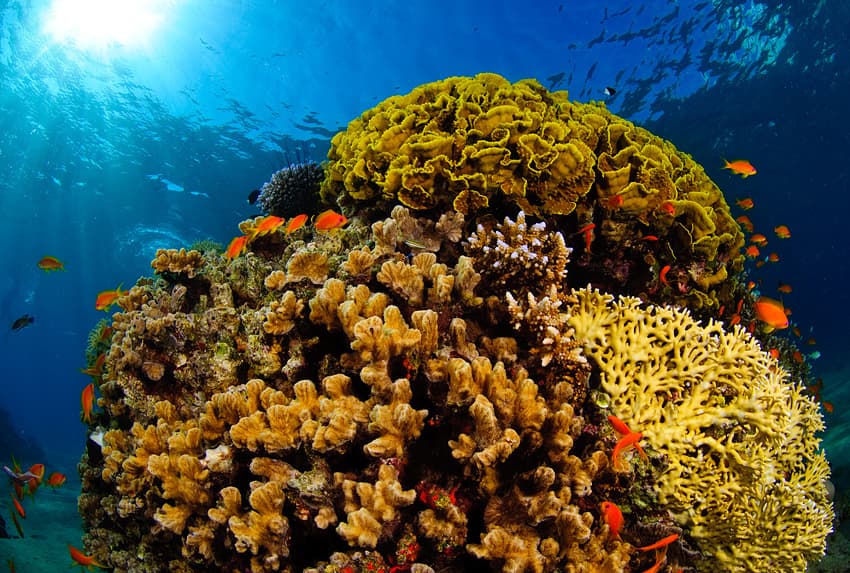
Coral polyps are about the size of a small pea. Each one builds a hard shell around itself, and when trillions of them live together over thousands of years, their shells pile up into the large, branching, brain-shaped structures we call coral. The coral provides shelter for fish, and the fish help keep the coral clean and healthy - it is a very busy partnership.
Cuba's reefs include famous dive spots like the Gardens of the Queen (Jardines de la Reina), a protected area in the south of the island. Because fishing is carefully managed there, the reef is full of sharks, groupers, turtles and even the occasional manatee. Scientists from around the world visit to study how a healthy reef behaves.
Coral reefs are sometimes called the rainforests of the sea because so many species depend on them. Cuba's reefs have stayed healthier than many others around the world partly because the island has large areas of protected ocean. Schools of brightly coloured parrotfish, angelfish and damselfish weave through the coral every day, making it look like the sea is full of flying confetti.