
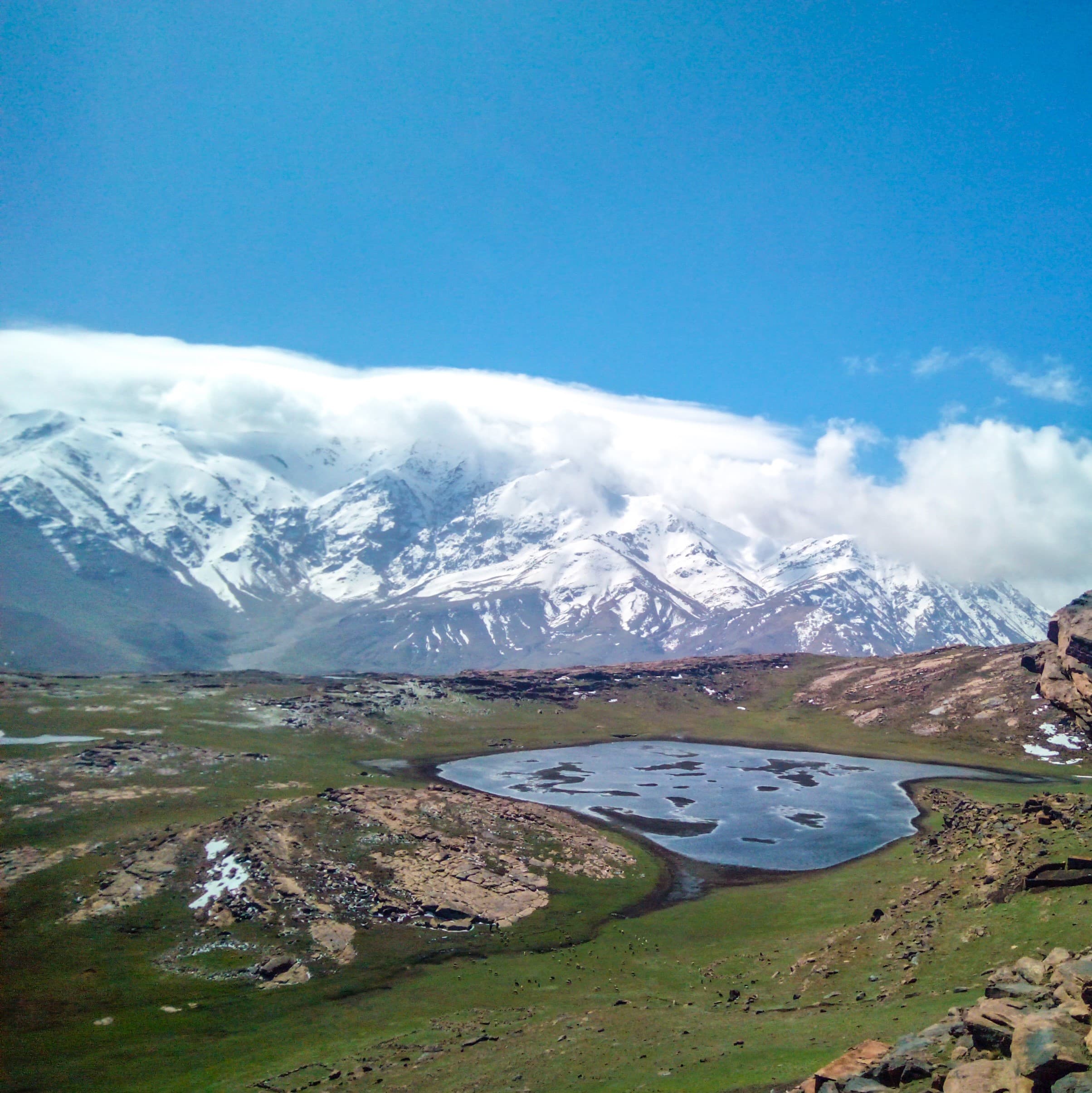
The Tell Atlas, near the coast, gets lots of winter rain. Its slopes are covered in cork oak forests, olive groves and farms growing wheat, citrus fruit and vegetables. Some peaks even get snow - so much that you can ski at the Chréa resort, less than an hour from Algiers.
Further south, the Saharan Atlas marks the edge of the desert. Beyond it the land becomes more and more dry. The mountains act like a wall - they catch the rain coming off the Mediterranean before it can reach the Sahara, which is one reason the desert exists.
Many people in the mountains are Amazigh (also called Berber). One famous Amazigh region is Kabylia, where stone villages perch on hilltops and olive groves climb the slopes. Some families still make pottery, weave rugs and bake bread the same way their grandparents did.
The wildlife in the Atlas is amazing. Barbary macaques (Africa's only monkey north of the Sahara) live in the cedar forests. Wild boar and red foxes hunt at night. Golden eagles glide above the peaks. There is even a wild cat called the African wildcat that looks just like a tabby house cat but lives only in the rocks.